Martha Divakar · November 30, 2025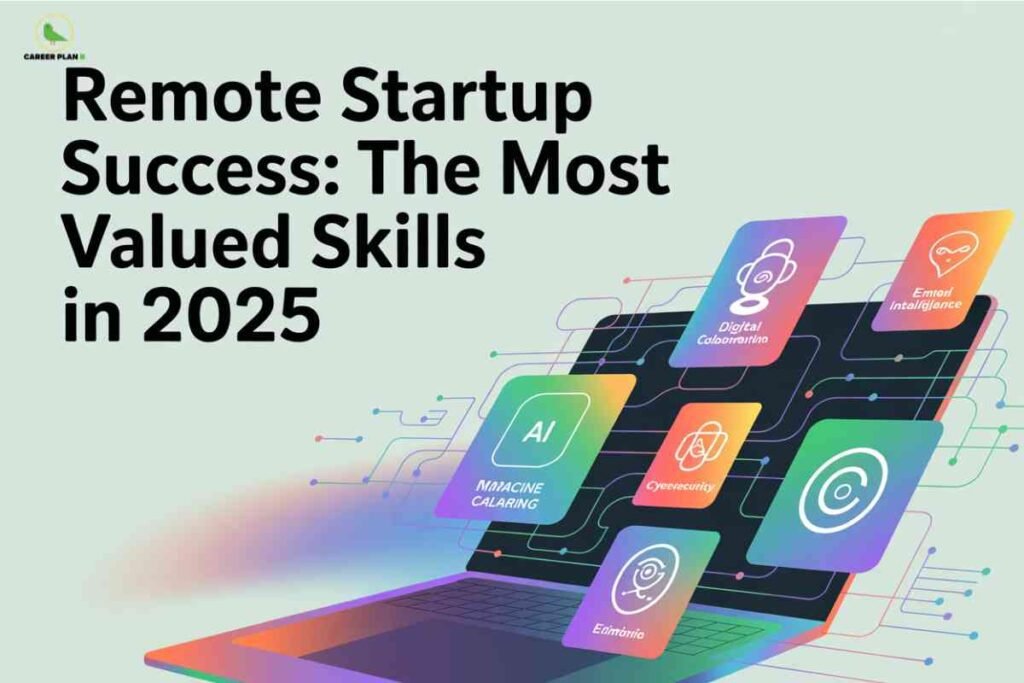
Introduction
What does it really take to thrive working with startups remotely? As startups continue to embrace virtual teams and borderless talent pools, remote roles are opening up new doors for ambitious professionals worldwide. The landscape has evolved dramatically since the early days of remote work; today, results matter more than resumes, and skills speak louder than degrees. Did you know that in 2025, more than 70% of startups prioritize skills like digital communication, project management, and tech proficiency over traditional qualifications? If you’re aiming to break into the dynamic world of remote startups, understanding which skills are now most coveted is absolutely essential.
Whether you’re a recent graduate or an experienced professional contemplating a pivot, this blog covers exact skills remote startups value, practical tips to showcase your strengths, and real-world stories of professionals who’ve made remote work a launchpad for their careers. Career Plan B’s experts weigh in, too, to ensure you’re not just job-ready, but future-proof. Ready to build a competitive edge?
The Startup Shift: Why Skills Are the New Currency
Startups run lean, iterate fast, and compete globally—often without the safety net of huge budgets or large HR departments. That means every hire counts. In remote settings, where self-leadership and adaptability trump office presence, companies have sharpened their focus on core skills. So, what’s changing?
- Degrees are fading: In 2025, startups rate demonstrated skills above formal education for remote roles.
- Output rules: Delivering results independently matters more than where or when you work.
- Culture fit: Adaptability and communication keep remote teams running smoothly, bridging cultures and time zones.
Which Skills Are Most Valued in Remote Startups?
Core Soft Skills Startups Want
1. Digital Communication
Being able to convey ideas clearly across Slack, email, and video calls is crucial. The best remote workers master both written and verbal communication, ensuring smooth collaboration that’s not bogged down by ambiguity.
2. Time Management
Without set office hours, managing tasks and deadlines independently is vital. Tools like Asana and ClickUp help, but personal discipline is non-negotiable.
3. Adaptability & Problem-Solving
Startups face uncertainty—remote hires who evolve and troubleshoot quickly are prized. Resilience and agility top the World Economic Forum’s 2025 skills outlook.
4. Collaboration
Even solo workers are rarely isolated. Startups use tools (Zoom, Notion, Miro) to keep teams aligned, and those who collaborate naturally stand out.
5. Self-Motivation
Independently taking initiative is essential. Employers now look for candidates who proactively identify tasks rather than wait for directions.
Key Technical Skills in Demand
| Skill Area | Examples | Tools/Platforms | Why It Matters |
| Digital Marketing | SEO, PPC, Analytics | Google Analytics, HubSpot |
Drives growth for resource-light teams |
| Web Development | Full-stack, React, UI/UX | GitHub, Figma, Adobe XD |
Startups build online-first products |
| Data Analysis | Visualization, Basics of SQL | Tableau, Excel, Power BI |
Data-driven insights fuel decisions |
| Cybersecurity | 2FA, VPNs, threat detection | Coursera, Google IT Certs |
Protects valuable startup data |
| Remote IT Support | Troubleshooting, ticketing systems | Zendesk, TeamViewer, AnyDesk |
Keeps remote work running smoothly |
- Project Management: Understanding Agile, Scrum, Kanban, and popular tools (Jira, Trello) helps keep workflows efficient and visible.
- Sales & CRM Proficiency: Mastering CRM platforms (Salesforce, HubSpot) streamlines “remote-first” sales cycles, helping startups find and nurture leads in virtual environments.
Emerging Skills for 2025
- AI Literacy: From generative AI to prompt engineering, startups value team members who can automate tasks and interpret AI-driven outputs.
- Sustainability & Ethics: Startups now reward candidates who build and advocate for sustainable practices, especially those working in impact-focused sectors.
- Creativity & Analytical Thinking: The ability to generate fresh ideas and pivot strategies makes these skills more essential than ever.
Real-World Examples: How Remote Professionals Thrive
Zapier: Building a Distributed Team
Founded by three professionals with busy schedules, Zapier embraced remote work from day one. By focusing on asynchronous communication and personal ownership, Zapier grew into one of the world’s most beloved workflow tools—all with a fully remote team.
10Up: Efficiency Through Culture
10Up’s distributed team leverages regular virtual meetings and project management tools to save costs and foster community. Their strong culture of support and collaboration helped build their reputation as a top content creation startup.
Muller Group: Hybrid Success
A traditional company that shifted to a hybrid model during the pandemic, Muller Group used project management platforms to streamline operations and scale efficiently.
How to Showcase Your Remote-Ready Skills
Are you highlighting your strengths effectively? Startup founders don’t just want a great CV—they want visible proof you’ll contribute, remotely.
- Build a digital portfolio: Demonstrate projects, campaigns, or code repositories that show impact and initiative.
- Show certifications: Google, HubSpot, and Scrum certifications are often valued more than university degrees.
- Network virtually: Join startup communities (LinkedIn, Slack groups) and participate in online meetups—many hires now come from virtual recommendations.
- Share real examples: Whether in interviews or on LinkedIn, share stories about overcoming remote challenges, solving “impossible” problems, and learning new tech independently.
Frequently Asked Questions
1.What skills matter most for entry-level remote work?
For entry roles, startups prioritize communication, time management, tech literacy, and self-motivation. Degree prestige takes a back seat to real-world ability.
2.Can I get a remote startup job without a degree?
Yes! In 2025, skills, experience, and certifications often outweigh formal education for remote roles.
3.How do I prove I can work remotely?
Showcase home-grown projects, remote internships, and proficiency with key platforms (Slack, Asana, Zoom). Demonstrate self-sufficiency with digital portfolios.
4.Are soft skills as important as technical skills?
Absolutely. Traits like adaptability, resilience, and communication turn a good remote hire into a great one.
5.What’s the fastest way to upskill for startups?
Leverage free and paid online courses (Google, Coursera, Codecademy) that target digital marketing, project management, and remote team tools.
6.How can Career Plan B help?
Career Plan B guides candidates through skill and market assessments, one-on-one counseling, and ongoing upskilling—helping professionals find their remote career fit with data-driven advice.
Conclusion
Remote startups in 2025 have shifted the hiring landscape. Today, tangible skills, adaptability, and a proactive mindset matter more than ever. Candidates who stand out master communication, invest in tech proficiency, and prove themselves with genuine outcomes—often landing roles regardless of degree or background. If you’re ready to future-proof your career, focus on building the skills that startups covet most and embrace continuous learning through platforms and mentorship. Career Plan B empowers every candidate to discover strengths, align with industry trends, and take strategic steps into tomorrow’s world of work.
Ready to level up your remote career journey? Connect with Career Plan B for tailored guidance and become your startup’s next must-have talent.