Likhith · September 26, 2025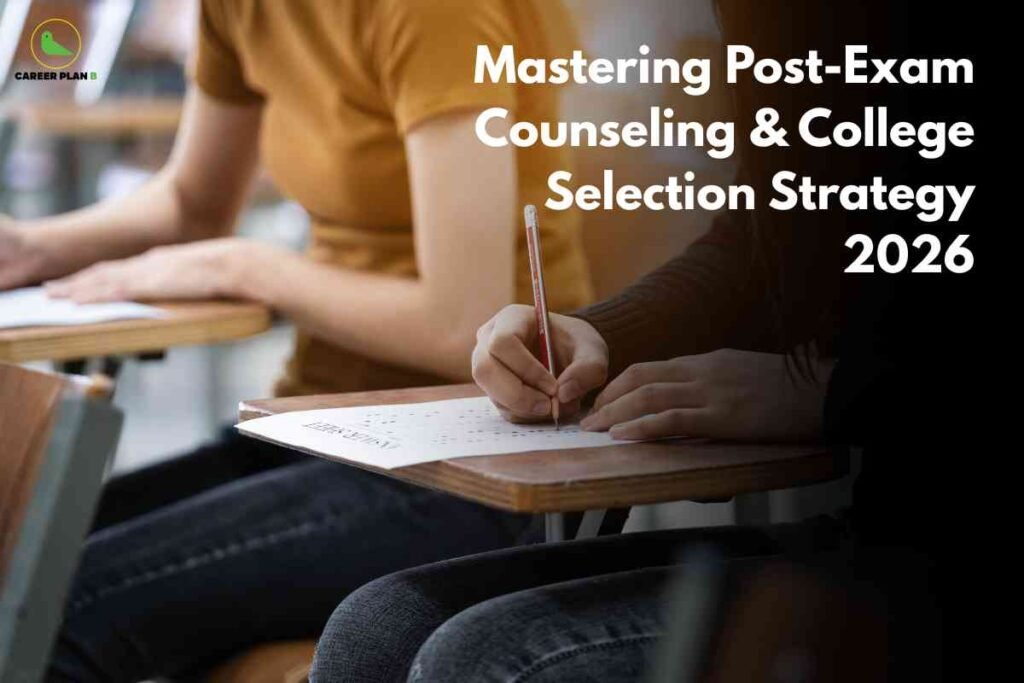
Introduction
The transition from entrance exams to college admission requires a well-structured post exam counseling strategy for optimal outcomes. With over 37 million students in Indian higher education, strategic planning becomes essential for securing preferred college placements.
A comprehensive post exam counseling strategy involves understanding systematic processes including registration, document verification, choice filling, and seat allotment phases. Research indicates that 65% of Indian students feel overwhelmed during college selection, highlighting the critical need for structured guidance.
Effective post exam counseling strategy encompasses both procedural understanding and strategic decision-making. Students must navigate multiple counseling authorities, evaluate college preferences, and make informed choices within strict timelines.
The complexity of modern counseling systems demands systematic preparation and strategic thinking. Understanding factors like college rankings, course availability, location preferences, and career prospects forms the foundation of successful college selection.
Understanding the Post-Exam Counseling Process
Effective post-exam counseling shapes a student’s educational and career pathway. It requires a clear understanding of personal strengths, interests, and available opportunities. In India, where societal and familial expectations often weigh heavily, counseling provides an objective perspective.
Core Concepts of Counseling
-
Introspection and Exploration: Reflect on academic performance, interests, and long-term career goals.
-
Example: A student excelling in mathematics but passionate about design might pursue architecture or engineering design.
Actionable Insights
-
SWOT Analysis: Evaluate Strengths, Weaknesses, Opportunities, and Threats.
-
Example: A student strong in verbal communication with an interest in social issues might explore journalism or public policy.
Market Trends
-
Increasing emphasis on interdisciplinary studies, combining traditional subjects with fields like AI, data science, and environmental studies.
-
2023 report: 40% of new university programs in India are interdisciplinary.
Specific Example
-
Riya, a student from Mumbai, discovered her aptitude for technology and creativity through counseling, leading her to UX Design, aligning with both her interests and market demand.
Crafting an Effective College Selection Strategy
Selecting the right college involves personal preferences, academic aspirations, and pragmatic considerations.
In-Depth Analysis
-
Start with a list of potential colleges.
-
Narrow down based on location, course offerings, campus facilities, faculty, and placements.
-
Example: Students interested in biotechnology should prioritize colleges with strong lab facilities and industry tie-ups.
Practical Tips
-
Create a checklist: accreditation, faculty qualifications, student-to-teacher ratio, and industry connections.
-
Visit campuses and attend open days.
-
Engage with alumni for insights into college experience and career outcomes.
Real-World Applications
-
Use platforms like NIRF and QS World University Rankings for data-driven comparisons on academic performance, faculty quality, and student feedback.
Step-by-Step Guidance
-
Research: Gather information on colleges and programs.
-
Evaluate: Use your checklist to assess each option.
-
Visit: Interact with faculty and students on campus.
-
Decide: Weigh options considering emotional and practical factors.
-
Apply: Submit applications to shortlisted colleges on time.
College Evaluation Table
|
|---|
Advanced College Selection Strategies
Expert Tips
-
Look for Industry Partnerships: Colleges with strong ties offer internships and job placements (e.g., IITs, IIMs).
-
Consider Global Exposure: Exchange programs or international campuses broaden perspectives.
-
Assess Future-readiness: Prioritize colleges integrating technology in teaching.
Common Challenges and Solutions
-
Pressure to choose a prestigious college over personal fit.
-
Solution: Prioritize personal alignment and program quality.
Success Stories
-
Arjun chose a lesser-known college with a strong focus on entrepreneurship.
-
Practical experience and industry connections helped him start a successful business.
How Career Plan B Can Help
Career Plan B provides guidance through this critical phase:
-
Personalized Counseling Sessions: Tailored advice based on your profile.
-
Comprehensive Assessments: Tools to identify strengths and career interests.
-
College Selection Workshops: Step-by-step guidance for evaluating colleges.
-
Industry Insights: Updates on market trends and emerging careers.
-
Application Assistance: Support in preparing and submitting applications.
Book a session with Career Plan B today.
Frequently Asked Questions (FAQs)
1. What is the first step in post-exam counseling?
-
Begin with self-assessment: reflect on academic performance, interests, and career goals. Tools like MBTI can help identify suitable career paths.
2. How do I choose between two equally good colleges?
-
Consider campus culture, faculty, extracurricular opportunities, and industry connections. Visit campuses and speak to alumni.
3. What role does financial planning play?
-
Assess tuition, living expenses, scholarships, and grants. Financial planning ensures informed choices without strain.
4. Are online courses viable?
-
Yes, for flexibility and global exposure. Ensure accreditation and industry acceptance before enrolling.
5. How important are entrance exams?
-
Critical for eligibility and scholarships. Exams like JEE, NEET, and CAT determine access to top colleges.
6. How can I manage stress during college selection?
-
Break down the process, set realistic goals, practice mindfulness, maintain a healthy lifestyle, and seek support.
Conclusion
Post-exam counseling and college selection are pivotal steps shaping a student’s future. By understanding strengths, researching options, and planning strategically, students can make informed decisions that align with long-term goals.
Career Plan B provides personalized guidance and resources, empowering students to make confident choices. Remember: the right college is one that aligns with your aspirations and offers a platform for growth.
Take the first step today for a fulfilling academic and professional future.