Piyush · March 24, 2026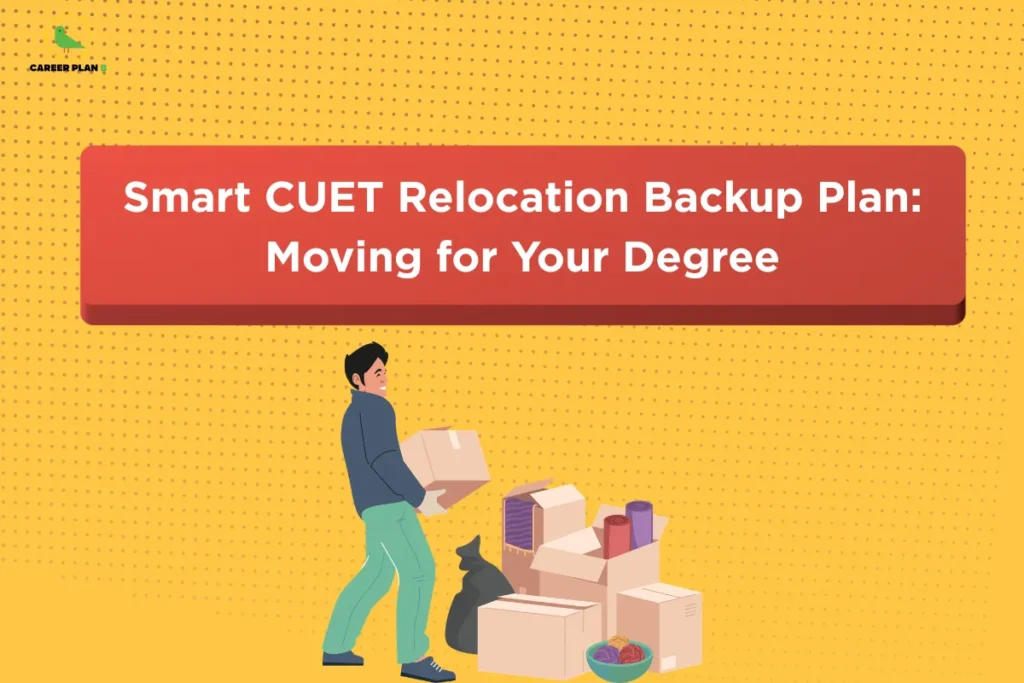
Introduction
Every year, thousands of students prepare intensely for the CUET exam, hoping to secure a seat in their dream university. But the reality is that competition is extremely high, and sometimes the results don’t match expectations. That’s where a CUET relocation backup plan becomes a powerful strategy. Instead of limiting options to nearby colleges, students can widen their search across India and explore universities that accept CUET scores.
A smart CUET relocation backup plan allows students to move to another city if necessary, ensuring their academic journey continues without delay. Many families today are realizing that relocating for a degree is no longer unusual—it is often the smartest way to access better courses and universities. In this blog, we’ll explore how a CUET relocation backup plan works, how to prepare for it, and how students and parents can make informed decisions.
Why Students Should Consider a CUET Relocation Backup Plan
Many students assume they must study close to home. However, higher education in India has become increasingly national in scope. With exams like CUET, universities across the country accept the same entrance score.
According to the official website of the National Testing Agency, the Common University Entrance Test is conducted to streamline admissions into central and participating universities across India. This means a student from one state can easily apply to universities in another state.
1. The Reality of CUET Competition
Seats in top universities are limited, and the number of applicants keeps increasing each year. For example, the CUET exam is used by dozens of universities, making the admission process highly competitive. Because of this competition, many students who restrict themselves to one city miss out on excellent opportunities elsewhere.
2. Expanding Your College Options
When you create a CUET relocation backup plan, you dramatically expand your choices. Instead of competing for limited seats in local colleges, you can explore institutions across the country offering strong academic programs.
Students who are open to relocating often gain access to:
- Better academic infrastructure
- More specialized programs
- Diverse campus environments
- Stronger career opportunities
What Makes a Smart CUET Relocation Backup Plan?
Relocation should never be a last-minute decision. Instead, it should be planned carefully so that students and parents feel confident about the move.
1. Shortlist Universities Early
Start researching universities months before results are declared. Look for:
- Courses offered
- CUET eligibility requirements
- Campus facilities
- Location and accessibility
Creating a list of 5–10 potential universities ensures you always have options.
2. Understand the Admission Process
Each university conducts its own counselling or admission rounds after CUET results. Students should check:
- Program-specific eligibility
- Counselling schedules
- Seat allocation procedures
- Document verification requirements
Admission notifications are typically posted on the official university websites, which should always be the primary source of information.
3. Evaluate Cost of Living
One of the biggest concerns about relocation is affordability. Fortunately, student living costs vary widely across cities.
Below is a rough comparison of typical monthly student expenses.
| City | Hostel / PG | Food | Transport | Approx Total |
| Delhi | ₹8,000 – ₹15,000 | ₹4,000 | ₹1,500 | ₹13,500 – ₹20,500 |
| Varanasi | ₹5,000 – ₹9,000 | ₹3,500 | ₹1,000 | ₹9,500 – ₹13,500 |
| Hyderabad | ₹7,000 – ₹12,000 | ₹4,000 | ₹1,500 | ₹12,500 – ₹17,500 |
| Bengaluru | ₹9,000 – ₹16,000 | ₹4,500 | ₹2,000 | ₹15,500 – ₹22,500 |
These estimates vary depending on accommodation type and lifestyle. Planning finances early makes relocation much easier.
Confused about your next steps? Get a personalized roadmap tailored to your career goals.
Accommodation Options When Moving for College
A major concern for families is where the student will stay. Fortunately, most university cities offer several housing options.
1. University Hostels
Hostels are usually the most affordable and secure option. Advantages include:
- Lower cost compared to private housing
- Campus proximity
- Structured student environment
- Better safety monitoring
However, hostel seats can be limited, so students should apply early.
2. Private Student Housing
If hostels are unavailable, students often choose:
- Paying Guest (PG) accommodations
- Shared apartments
- Student housing complexes
These options provide flexibility and sometimes more privacy.
3. Safety and Comfort Considerations
Before selecting accommodation, check:
- Distance from campus
- Security arrangements
- Availability of transport
- Food and hygiene conditions
Parents should also verify housing through official student communities or university assistance offices.
How to Plan Finances for Relocation
Relocation involves several initial expenses, but careful budgeting can make it manageable.
1. Scholarships and Financial Aid
Many universities offer scholarships based on merit or financial need. Students can explore national scholarship programs through the University Grants Commission portal: https://scholarships.gov.in/
Scholarships may cover:
- Tuition fees
- Hostel costs
- Monthly stipends
Checking these opportunities early can significantly reduce financial pressure.
2. Budgeting for Your First Year
Students should prepare a financial checklist including:
- Admission fees
- Hostel or PG deposit
- Books and academic materials
- Travel expenses
- Emergency funds
A simple monthly budget helps students develop financial independence and avoid unexpected stress.
Common Mistakes Students Make When Relocating for CUET Colleges
Even with good intentions, students sometimes make avoidable mistakes.
1. Waiting Too Long to Explore Options
If students only consider relocation after results are declared, many seats may already be filled.
2. Ignoring Accommodation Planning
Accommodation shortages are common in university cities during admission season.
3. Underestimating Living Costs
Budget planning is essential. Unexpected costs can cause financial stress later.
4. Missing Admission Deadlines
Universities publish strict admission schedules. Missing one deadline could mean losing a seat.
How Career Plan B Helps
Career Plan B supports students in navigating complex admission decisions through structured guidance:
- Personalized Career Counselling: Helps students evaluate university options based on their interests, strengths, and long-term career goals.
- Psycheintel & Career Assessment Tests: Identifies aptitude, personality traits, and learning patterns to guide informed academic decisions.
- Admission & Academic Profile Guidance: Assists students in understanding admission requirements while strengthening their academic profile.
- Career Roadmapping: Provides a clear long-term plan that helps students build an effective CUET relocation strategy and choose universities aligned with their future aspirations.
For Latest Information
Frequently Asked Questions
1. Is relocation necessary after CUET?
Not always. However, if local colleges have limited seats or programs, relocation can significantly increase your chances of securing a good university.
2. How can I find universities outside my state that accept CUET?
Students should visit the official CUET portal hosted by the National Testing Agency, which lists participating universities and admission guidelines.
3. Are hostels guaranteed for CUET students?
No. Hostel seats are limited and usually allotted based on availability, merit, or distance from home. Applying early increases your chances.
4. What is the average cost of relocating for college in India?
The average monthly cost for students relocating for college ranges between ₹10,000 and ₹20,000 depending on the city, accommodation type, and lifestyle.
5. Is it safe for students to move to another city for university?
Yes, many students relocate every year. Choosing university hostels, verified PG accommodations, and staying connected with family can ensure safety and comfort.
Conclusion
A well-thought-out CUET relocation backup plan can turn uncertainty into opportunity. Instead of feeling limited by geography, students can explore universities across India and discover programs that truly match their interests. With careful planning, budgeting, and research, relocation can become a stepping stone toward better education and career prospects.
Ultimately, the goal is not just to secure admission but to find the right academic environment where students can grow, learn, and build their future. When students stay flexible and proactive, even unexpected outcomes can lead to exciting new opportunities.