Likhith · November 29, 2025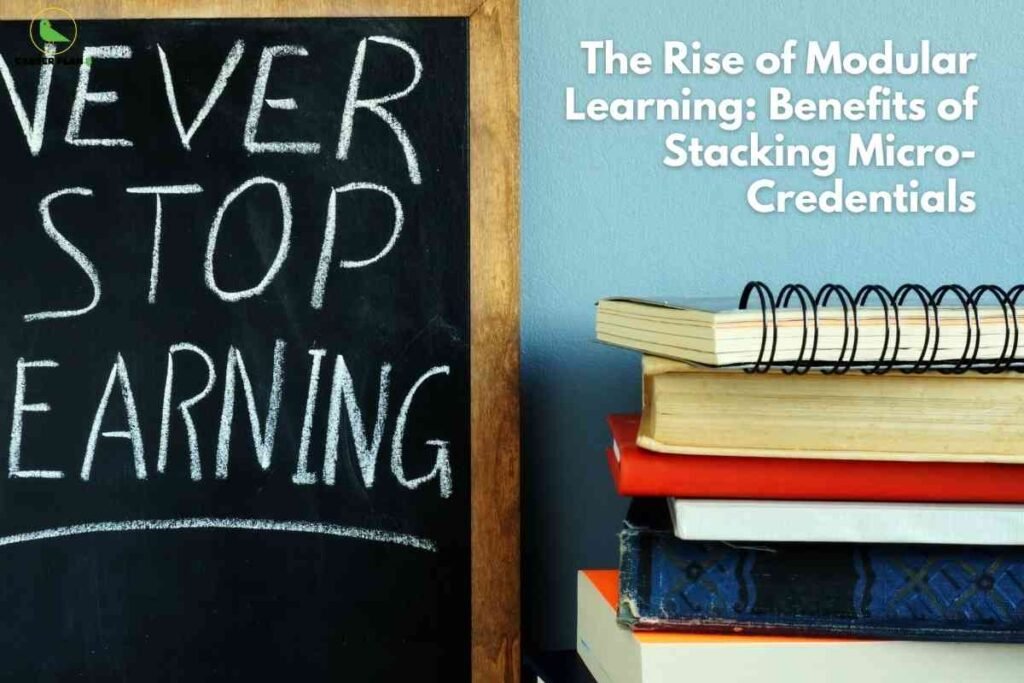
Introduction
Imagine a learning journey tailored exactly to your needs—bite-sized, flexible, and designed to build real-world skills. Welcome to the era of modular learning. As traditional education struggles to keep up with rapidly evolving industries, modular learning and micro-credentials are reshaping how we acquire knowledge and advance careers.
Why are more learners and professionals turning to stacking micro-credentials rather than enrolling in long-term degrees? This blog unpacks the rise of modular learning, explains how stacking micro-credentials works, and highlights the tangible benefits it offers to learners in every field, backed by emerging trends and real-world examples.
What is Modular Learning?
Modular learning breaks down traditional courses or certifications into smaller, focused units called modules. Each module targets a specific skill or knowledge area, allowing learners to complete sections at their own pace without committing to an extensive program upfront.
How Micro-Credentials Fit In
Micro-credentials are digital certifications representing mastery of a particular module or skill. These credentials are stackable, meaning learners can accumulate multiple micro-credentials over time to showcase a comprehensive skill set—tailored exactly to their professional goals.
Why Is Modular Learning Gaining Popularity?
Flexibility Meets Modern Needs
In today’s fast-paced world, many learners face time constraints or budget limitations. Modular learning caters to these challenges by offering flexibility in:
- Pacing: Complete modules anytime, anywhere.
- Scope: Choose relevant skills instead of unrelated course content.
- Cost: Pay for only what you need.
Alignment with Industry Demands
Employers increasingly prioritize skills over degrees. Modular learning equips individuals with targeted competencies that match real job requirements, providing quicker, evidence-backed proof of expertise.
Benefits of Stacking Micro-Credentials
1. Personalized Learning Paths
No one-size-fits-all formula exists in career growth. Stacking micro-credentials allows learners to design customized educational pathways aligned with personal interests and industry demands.
2. Enhanced Employability
Micro-credentials serve as verifiable proof of skills. These badges on LinkedIn profiles or resumes help candidates stand out during hiring or promotion processes.
3. Continuous Skill Updating
Industries evolve rapidly. Modular learning supports lifelong learning by enabling professionals to refresh or gain new skills conveniently as the market changes.
4. Cost and Time Efficiency
Traditional degree programs can be costly and time-consuming. Modular learning permits learners to invest in short, affordable modules that cumulatively build toward advanced expertise.
How to Start Stacking Micro-Credentials: A Practical Guide
Identify Career Goals
What skills are currently most valuable in your field? Research market trends, job descriptions, or consult mentors.
Select Reputable Programs
Choose accredited institutions or platforms offering credible micro-credentials recognized by industry.
Plan a Progression Path
Start with foundational modules, then advance to intermediate and specialized topics. Maintain consistency but stay flexible.
Showcase Your Credentials
Add digital badges to professional profiles and demonstrate practical applications in interviews or projects.
Real-World Examples of Modular Learning Success
Case Study 1: Tech Industry
A software developer stacked micro-credentials in cloud computing, cybersecurity, and data analytics, enabling a seamless transition to a high-demand role in cloud infrastructure.
Case Study 2: Healthcare Sector
A nurse completed modular courses in telehealth and health informatics, acquiring certifications that helped secure a specialized position in digital health services.
How Career Plan B Can Help You
At Career Plan B, we specialize in helping aspirants unlock their hidden potential with:
- Personalized Career Counselling to align your prep with your strengths.
- Psycheintel and Career Assessment Tests to identify areas you’re overlooking.
- Admission & Academic Profile Guidance to maximize your B-school chances.
- Career Roadmapping so you’re not just exam-ready but also career-ready.
Have any doubts?
📞 Contact our expert counsellor today and get all your questions answered!
Frequently Asked Questions (FAQ)
- What is the difference between micro-credentials and traditional degrees?
Micro-credentials focus on specific skills, are shorter in duration, and more flexible compared to comprehensive degree programs which cover broader knowledge over several years. - Are micro-credentials recognized by employers?
Yes, particularly in industries valuing demonstrable skills. Recognition is growing as more companies adapt hiring criteria favoring skills over formal education. - Can stacking micro-credentials lead to a full degree?
In some cases, yes. Certain institutions allow accumulated micro-credentials to count as credits toward a degree program, merging flexibility with formal qualifications. - How do micro-credentials stay relevant with industry changes?
Modules are frequently updated to reflect current practices, ensuring learners acquire up-to-date skills and knowledge. - Is modular learning suitable for all professions?
While particularly popular in tech, healthcare, and business, modular learning benefits a broad range of industries where skills evolve quickly.
Conclusion
The rise of modular learning and stacking micro-credentials marks a transformative shift in education and career development. It empowers learners to build personalized, flexible pathways that align tightly with industry demands while balancing time and financial constraints.
Are learners ready to embrace the future of education one module at a time? For those seeking a dynamic career journey, modular learning offers an accessible, practical solution. Career Plan B supports this new wave of lifelong learning, helping individuals discover tailored educational routes to success.
Start exploring modular learning opportunities today and empower yourself with the skills tomorrow’s job market demands.