Martha Divakar · February 17, 2026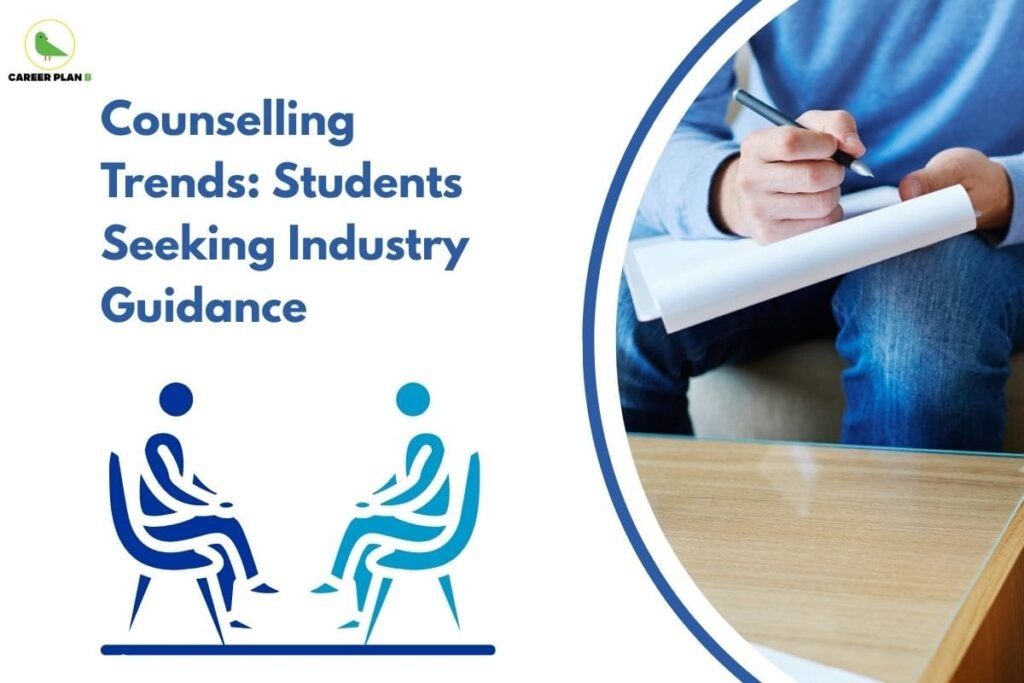
Introduction
Have you ever wondered how students navigate the overwhelming sea of career choices today? In an era where information is at everyone’s fingertips, many students still struggle to make informed decisions about their futures. That’s where industry-focused counselling comes in, a growing trend that’s changing how students plan their careers.
According to recent surveys, over 70% of students say they rely on professional guidance to understand industry demands before committing to a course or career path. But what exactly does this industry guidance entail, and why is it becoming indispensable? This blog dives deep into the counseling trends that are helping students bridge the gap between education and their dream professions.
Why Are Students Increasingly Seeking Industry Guidance?
What Drives This Shift?
With the fast pace of economic changes and emerging job roles, traditional counselling is no longer enough. Students seek specific industry insights — from employability skills to sector growth — to make smarter decisions.
- The rise in new tech jobs and specialized sectors requires up-to-date knowledge.
- Increased competition pushes students to seek an edge with tailored guidance.
- Growing awareness about employability and ROI on education investments.
The Role of Real-World Exposure
Many students report that learning about real industry challenges and expectations helps them align their academic pursuits better. Internships, industry projects, and guest mentoring in counselling sessions provide a realistic preview often missing from school curricula.
How Are Counselling Services Adapting?
Incorporating Industry Experts
Counselling centers now regularly collaborate with professionals across sectors — IT, healthcare, finance, and more — to offer personalized mentorship sessions. This integration ensures students hear directly from those shaping industry trends.
Use of Technology and Data Analytics
Modern counselling leverages platforms that analyze job market data, salary trends, and skill gap information to tailor advice. AI-powered tools offer career path simulations, helping students visualize outcomes of their choices.
Customized Career Roadmaps
Instead of generic advice, students receive career plans that consider their interests, strengths, and the labor market. This tailored approach increases confidence and satisfaction in their academic and professional journeys.
What Are the Emerging Practices in Industry Guidance?
Focus on Skill-Based Counseling
Employers increasingly value skills over degrees alone. Counsellors emphasize skills such as critical thinking, digital literacy, and problem-solving, guiding students toward vocational courses, certifications, or interdisciplinary programs offering these assets.
Interdisciplinary and Hybrid Career Paths
Recognizing that industry boundaries are blurring, counseling trends highlight hybrid roles, like combining business acumen with coding or healthcare knowledge with data analysis. Students are encouraged to build diverse competencies.
Mental Wellness and Career Resilience
Modern career counseling increasingly includes mental health support to manage stress and uncertainty. Students are coached to develop adaptability and resilience to navigate dynamic job markets confidently.
How Can Students Maximize Industry Guidance?
Asking the Right Questions
- What are the emerging jobs in my field of interest?
- What skills do these jobs require today and in the future?
- How can I gain practical experience alongside academics?
Engaging with Professionals Beyond Counselling
Encouraging students to attend webinars, industry conferences, and networking events extends learning beyond formal sessions.
Leveraging Digital Resources
Using platforms like LinkedIn, industry blogs, and online courses allows students to stay informed and actively participate in the professional community.
Case Study: A Student’s Journey with Industry-Focused Counselling
Meet Ananya, a final-year commerce student unsure about specializing in finance or marketing after graduation. Through her college’s new counselling initiative, she engaged with industry experts from both fields, participated in workshops, and completed internships recommended by counsellors.
This guidance helped Ananya clarify her interests, upgrade critical skills, and confidently choose a role aligned with future industry demands. Her experience exemplifies the impact of industry-grounded counselling on career clarity and success.
Career Plan B – Your Backup for Success
At Career Plan B, our mission is simple: Right to Quality Education and Career, hence Quality Life!
With over 16 years of expertise, we provide:
- One-on-One Counselling Support – Personalized guidance for your architectural career path
- Career Roadmaps – Strategic plans aligned with your strengths and goals
- Backup Strategies – Alternative options so you never miss opportunities
Have any doubts?
 Contact our expert counsellor today and get all your questions answered!
Frequently Asked Questions (FAQ)
What is industry guidance in career counselling?
Industry guidance involves providing students with information, insights, and mentorship directly linked to workplace realities, current trends, and skill requirements.
How does this differ from traditional counselling?
Traditional counselling often covers general career advice and personality assessments, while industry guidance offers specific, actionable advice aligned with job market demands.
Can industry guidance help in choosing unconventional career paths?
Absolutely. It often highlights emerging fields and interdisciplinary roles that traditional counselling may overlook, opening broader opportunities.
Is industry guidance useful for all educational levels?
Yes, from high school students exploring options to postgraduate candidates refining their career goals, tailored industry insights benefit all stages.
How can educational institutions implement effective industry guidance?
By partnering with industry professionals, integrating experiential learning, using data-driven tools, and focusing on mental wellness alongside career skills.
Conclusion
In a world of rapid change, students increasingly rely on industry-focused counselling to navigate their career paths with wisdom and confidence. This trend—from expert mentorship and skill-based advice to mental wellness integration—is transforming how futures are planned.
For students and educators alike, embracing these evolving counselling practices ensures that career decisions are not just hopeful guesses but strategic moves backed by real-world understanding.
Are you ready to explore industry guidance for your career strategy? Whether a student or an educational professional, tapping into these trends could be the game changer. For more insights and tailored advice, connect with Career Plan B, your partner in navigating tomorrow’s careers.