Likhith · December 3, 2025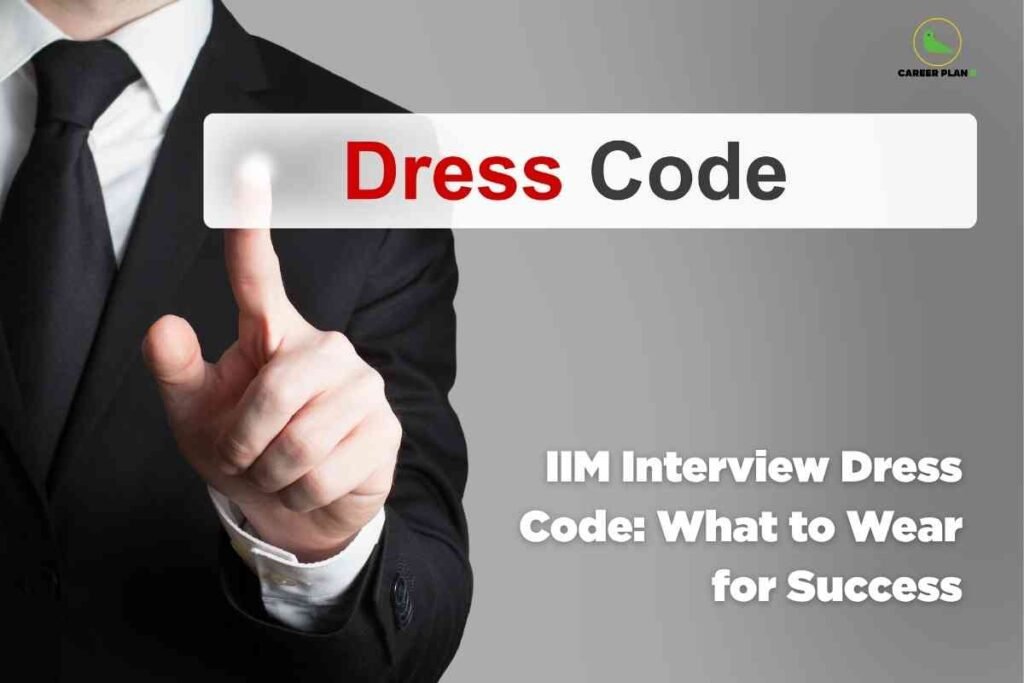
Introduction
What’s the first thing your IIM panelists notice when you enter the room? Surprisingly, it may not be your introduction—it’s your appearance. A well-chosen outfit instantly conveys confidence, discipline, and respect for the occasion.
In IIM interviews, where every detail counts, your attire becomes your silent introduction. Many aspirants prepare meticulously for questions about their profile or academics but overlook how dressing right can influence first impressions. Studies on professional interviews show that nearly 55% of first impressions are shaped by visual cues—attire, posture, and grooming.
Why Dressing Right Matters in IIM Interviews
An interview is not just an academic evaluation—it’s a personality test. Your attire reflects professionalism, attention to detail, and confidence, which are key traits B-schools value.
Think of your attire like the packaging of a premium product; it doesn’t define the quality but influences whether someone wants to explore what’s inside. Dress creates immediate credibility and helps you feel more composed under pressure.
In IIM panels, interviewers often represent corporate recruiters or faculty members who hold expectations of professionalism from future managers. Dressing appropriately reassures them of your understanding of business etiquette—a crucial managerial skill.
IIM Interview Dress Code for Men
When it comes to men’s attire, simplicity, fit, and neatness make the best impression. You don’t need an expensive suit, but you must look polished and confident.
Recommended Outfit:
- Shirt: Plain or subtly striped formal shirts in light shades like white, light blue, or pastel tones. Avoid loud prints or vibrant colors.
- Trousers: Well-fitted dark-colored trousers—navy blue, charcoal grey, or black. Avoid chinos or jeans.
- Blazer: Optional but ideal, especially for online or winter interviews. Choose a dark-colored blazer like navy or black.
- Tie: A simple, single-shade or lightly patterned tie adds formality. Avoid flashy designs.
- Shoes: Polished formal black or brown leather shoes. Always match your belt color with shoes.
- Accessories: A classic wristwatch is enough; skip bracelets or flashy items.
- Grooming: Trimmed hair, clean shave, or well-maintained beard. Nails short and clean.
Men’s Dress Code Do’s and Don’ts
| Do’s | Don’ts |
|---|---|
| Wear well-ironed shirt & trousers | Avoid jeans or T-shirts |
| Stick to formal colors | Skip bright colors or bold prints |
| Match belt and shoes | Don’t mix casual and formal items |
| Keep accessories minimal | Avoid overpowering perfumes |
| Maintain neat grooming | Avoid unshaven or messy appearance |
A crisp, comfortable outfit sends strong non-verbal signals of organization and reliability—qualities every IIM values.
IIM Interview Dress Code for Women
For women, the goal is to appear professional, modest, and confident. Choose attire that reflects maturity without drawing unnecessary attention.
Recommended Outfit:
- Western Option: A formal shirt (light blue, white, beige) with well-fitted trousers. A blazer can add a smart finishing touch.
- Indian Option: A simple cotton saree or formal salwar suit in sober shades. Avoid shiny or heavily embroidered clothing.
- Footwear: Closed-toe flats or 1–2-inch heels. Comfort matters more than style.
- Makeup & Accessories: Keep makeup minimal—light foundation, neutral lipstick, and minimal jewelry (stud earrings or a watch).
- Hair: Well-combed, tied neatly in a ponytail or bun. Avoid elaborate hairstyles.
Women’s Dress Code Do’s and Don’ts
| Do’s | Don’ts |
|---|---|
| Wear pastel or neutral colors | Avoid bright/red shades |
| Ensure outfits are well-fitted | Avoid tight or short dresses |
| Keep jewelry minimal | Skip jingling accessories |
| Choose comfortable shoes | Avoid sandals or stilettos |
| Maintain polished, neat look | Avoid overpowering fragrances |
Confidence combined with subtlety creates a grounded and impressive professional presence.
Choosing the Right Colors, Fabric, and Fit
Color psychology plays a subtle yet powerful role in communication.
- Light Colors (white, pastel blue, beige): Reflect calmness and honesty.
- Dark Tones (navy, grey, black): Represent confidence and authority.
- Avoid: Bright red, neon, or overly dark shades that may seem too intense.
Fabric comfort is crucial, especially for long waiting hours. Cotton or blended fabrics are breathable and wrinkle-resistant. Avoid linen or synthetic materials that can crease easily.
Above all, the right fit matters more than brand labels. A slightly loose shirt looks far more professional than something tight or ill-fitted.
Essential Grooming and Hygiene Tips
Even a perfect outfit can’t compensate for poor grooming. These small touches can transform your overall image:
- Hair: Clean and well-trimmed; avoid oily or unkempt appearance.
- Hands: Nails clean and trimmed. Avoid colored nail polish for interviews.
- Face: Use mild deodorant or perfume; avoid strong scents.
- Hygiene: Freshly laundered clothes, polished shoes, and pressed collars make you look meticulous.
For online interviews, pay equal attention to lighting, camera angle, and background—your attire still conveys intent and professionalism.
Common Dress Code Mistakes to Avoid
Even the most prepared candidates often fall into common dressing traps. Here’s what to steer clear of:
- Wearing casual wear like jeans or polo T-shirts, even for virtual rounds.
- Over-accessorizing or using distracting jewelry.
- Choosing bright or shiny fabrics that divert attention.
- Neglecting ironing or showing visible wrinkles.
- Wearing unclean or scuffed shoes—a small but noticeable detail.
- Overusing perfume or aftershave.
Remember, the idea is to have the panel focus on your answers—not your attire.
How Career Plan B Helps
At Career Plan B, we recognize that interview success isn’t just about knowledge—it’s about presenting yourself authentically and professionally.
Here’s how we support aspirants in mastering their IIM interviews:
- Mock Interviews and Grooming Sessions: Personalized simulations that help refine attire choices, body language, and confidence.
- Profile-Based Interview Preparation: Guidance on creating a strong personal brand aligned with your professional appearance.
- Career Counselling & Soft-Skills Workshops: Sessions on communication, dressing sense, and first impressions for B-school interviews.
- Career Roadmapping: Helping candidates visualize their MBA journey from admission to corporate transition, including personality presentation.
Career Plan B ensures that every aspirant walks into their IIM interview not just mentally prepared, but visually confident—the complete managerial package.
Have any doubts?
📞 Contact our expert counsellor today and get all your questions answered!
FAQs on IIM Interview Dress Code
- Can I wear jeans and a blazer for my IIM interview?
No, jeans are considered casual wear. Opt for formal trousers or suit pants to maintain a professional appearance. - Are ethnic outfits acceptable for IIM interviews?
Yes, ethnic wear like sarees or formal salwar suits are acceptable as long as they are simple and elegant. Avoid glittery or embroidered designs. - Is a tie mandatory for men?
A tie is not compulsory but recommended. It instantly adds a professional touch and signals seriousness. - Can I skip the blazer if it’s too hot?
Yes, a blazer is optional. Just ensure your shirt and trousers are well-ironed and properly color-coordinated. - Should women wear heels or flats?
Both are acceptable. Choose whichever makes you comfortable while maintaining a formal appearance. - What color outfit works best for IIM interviews?
Neutral or pastel tones paired with dark trousers or blazers are ideal—simple, mature, and professional.
Conclusion
Your attire is the first chapter of your interview narrative—it speaks even before you do. Dressing right for an IIM interview doesn’t mean buying luxury brands or designer wear. It simply means appearing polished, confident, and respectful of the occasion.
The best candidates stand out not because of their wardrobe but because their clothing complements their calm, authentic confidence. Remember, simplicity and neatness create the most lasting impressions.
Begin your journey toward success—prepare holistically with Career Plan B and step into your IIM interview ready to impress on every front.