Likhith · March 27, 2026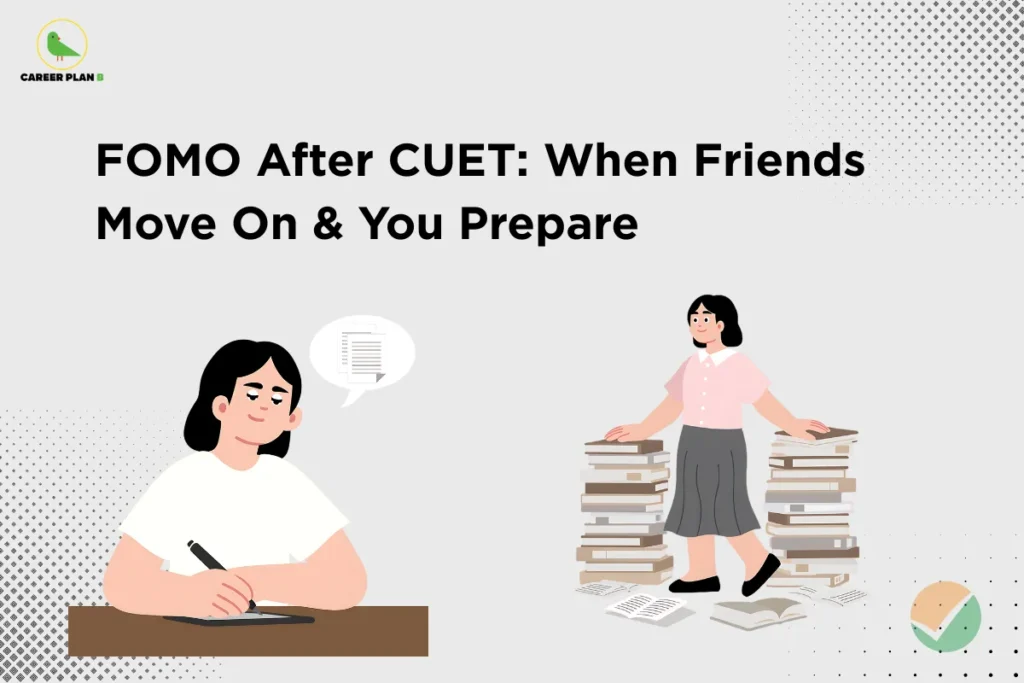
Introduction
Preparing for an entrance exam like the Common University Entrance Test can feel like a defining moment for many students. When the results don’t match expectations or when you decide to attempt the exam again, a common emotion begins to surface—FOMO After CUET. Watching friends post admission updates, campus photos, or college orientation stories can create a sense that life is moving forward for everyone except you.
Experiencing FOMO After CUET is far more common than students realize. Many students take another attempt to improve their scores or explore better university options. Yet the emotional challenge of FOMO After CUET—the fear of being left behind—can affect confidence, focus, and motivation. This blog explores why this feeling happens, how students can manage it effectively, and practical steps to turn this phase into a productive opportunity.
Understanding FOMO After CUET
What Does FOMO Mean for Students?
FOMO stands for Fear of Missing Out, a psychological phenomenon where individuals feel anxious that others are experiencing opportunities or achievements without them. According to the American Psychological Association, FOMO is often linked with social comparison and can influence emotional well-being, especially among young people studying or preparing for exams.
For students, FOMO After CUET may appear in subtle ways:
- Feeling uncomfortable when friends talk about college life
- Constantly checking social media for updates
- Comparing your journey with classmates
- Feeling like your academic path is delayed
These reactions are normal, but recognizing them early helps students regain control of their focus.
Why CUET Amplifies FOMO
The Common University Entrance Test (CUET) has become one of the major gateways for undergraduate admissions in India. The exam is conducted by the National Testing Agency and determines admission into many central and participating universities.
Because the exam affects thousands of students simultaneously, the comparison cycle becomes stronger. Several factors amplify FOMO After CUET:
- Social Media Announcements: Students sharing college admission updates online
- Peer Pressure: Conversations about campus life or university choices
- Family Expectations: Relatives asking about admission status
- Self-Comparison: Measuring success against classmates
When all these influences combine, students preparing again may feel emotionally overwhelmed.
Why Many Students Choose CUET Preparation Again
Is Retaking an Entrance Exam Common?
Yes, it is. Many students across India retake entrance exams to improve their scores or gain admission into their preferred universities. The National Testing Agency (NTA) conducts several national exams where repeat attempts are common.
Preparing again is not a setback—it can actually provide a strategic advantage.
Students who attempt the exam again often:
- Understand the exam pattern better
- Improve time management skills
- Strengthen weak subject areas
- Approach preparation with greater clarity
In many cases, the second attempt brings stronger results and better academic opportunities.
Signs That FOMO After CUET Is Affecting You
Recognizing emotional patterns is the first step toward managing them. According to the National Institute of Mental Health, academic stress and comparison can significantly impact student mental health.
Some common signs of FOMO After CUET include:
- Constant comparison with friends who secured admissions
- Feeling demotivated about studying again
- Avoiding conversations about college or careers
- Losing confidence in your abilities
- Spending excessive time on social media
If students notice these patterns, it is important to address them proactively.
How to Handle FOMO While Preparing for CUET Again
1. Reframe the Gap Year
Many students view a gap year negatively, but it can actually become a period of growth. Think of it as a strategic pause rather than a failure. A year dedicated to improving academic performance can open doors to better universities and career paths.
Students who use this time wisely often develop stronger discipline, clearer career goals, and greater maturity.
2. Reduce Social Media Comparison
Social media can intensify FOMO After CUET because it highlights only the achievements of others. The World Health Organization notes that excessive digital comparison can influence mental well-being among young people.
Practical ways to manage this include:
- Limiting time spent on social media apps
- Following educational or motivational content
- Taking digital breaks during study periods
- Focusing on personal progress rather than external updates
3. Build a Structured Study Plan
A structured preparation strategy can significantly improve confidence during a retake.
| Study Activity | Suggested Weekly Goal |
|---|---|
| Mock Tests | 2 tests per week |
| Concept Revision | Daily study sessions |
| Previous Year Papers | Practice on weekends |
| Weak Topic Review | 2 focused sessions weekly |
The National Testing Agency provides official exam updates and guidelines that can help students align their preparation effectively.
4. Focus on Skill Development
Preparing again does not mean putting life on hold. Students can use this period to build valuable skills alongside exam preparation.
Examples include:
- Online certificate courses
- Communication and presentation skills
- Internship or volunteer experience
- Basic digital skills or data literacy
Government initiatives such as Skill India encourage students to explore skill-based learning opportunities that strengthen employability.
5. Seek Professional Career Guidance
Sometimes FOMO After CUET happens because students are unsure about alternative paths. Career counselling can help clarify options and reduce uncertainty.
The National Career Service portal, supported by the Ministry of Labour and Employment, offers resources for career guidance and exploration.
Professional guidance helps students:
- understand multiple career pathways
- evaluate strengths and interests
- identify suitable academic programs
- plan long-term career strategies
What Parents Should Understand About FOMO After CUET
Parents play a crucial role during this phase. When students experience FOMO After CUET, emotional support can make a significant difference.
According to UNICEF, supportive family environments help young people manage academic stress more effectively.
Parents can help by:
- Avoiding comparisons with other students
- Encouraging open conversations about emotions
- Supporting structured preparation routines
- Recognizing effort rather than only results
- Promoting healthy breaks and hobbies
A calm and encouraging environment helps students regain motivation.
Productive Things Students Can Do During a CUET Gap Year
A gap year after CUET can become an opportunity for self-development rather than a period of uncertainty.
Students can focus on activities such as:
- Strengthening subject concepts for better exam performance
- Exploring career options through research and counselling
- Developing communication and critical thinking skills
- Taking short certification courses in areas of interest
- Participating in volunteering or community projects
Using the year productively can significantly enhance both academic readiness and personal growth.
How Career Plan B Helps
Career Plan B supports students navigating uncertainty after entrance exams through structured guidance:
- Personalized Career Counselling: Helps students evaluate options such as retaking exams, exploring new fields, or choosing alternative academic pathways based on their interests and goals.
- Psycheintel Career Assessment Tests: Identifies aptitude, personality traits, and learning patterns to guide informed career and academic decisions.
- Admission & Academic Profile Guidance: Assists students in understanding admission opportunities while strengthening their academic profile.
- Career Roadmapping: Provides a clear long-term plan that helps students confidently plan their academic journey and future career pathways.
Have any doubts?
Contact our expert counsellor today and get all your questions answered!
Frequently Asked Questions
1. Is it normal to experience FOMO after CUET?
Yes, many students feel this way when friends begin college while they prepare again. Emotional comparison is natural, but it does not define long-term success.
2. Should students take a gap year if CUET didn’t go well?
If students believe they can significantly improve their score or aim for better universities, a gap year for focused preparation can be beneficial.
3. How can students stay motivated while preparing again?
Creating a structured study routine, limiting distractions, and setting realistic goals can help maintain motivation.
4. Can retaking CUET improve college opportunities?
Yes. A stronger score can open doors to more universities and preferred academic programs.
5. How can parents support students during this phase?
Parents should provide emotional support, avoid comparisons, encourage healthy routines, and help students seek professional career guidance when needed.
Conclusion
Experiencing FOMO After CUET is a common emotional response when academic journeys take different directions. Watching friends move ahead while preparing again can feel challenging, but it does not mean you are falling behind. Every student’s path is unique, and sometimes a second attempt provides the clarity and preparation needed for long-term success.
Instead of focusing on comparison, students can use this period to strengthen knowledge, explore skills, and build confidence. With the right mindset, structured preparation, and supportive guidance, this phase can become the foundation for better opportunities and a more fulfilling academic future.