Rahul · August 1, 2025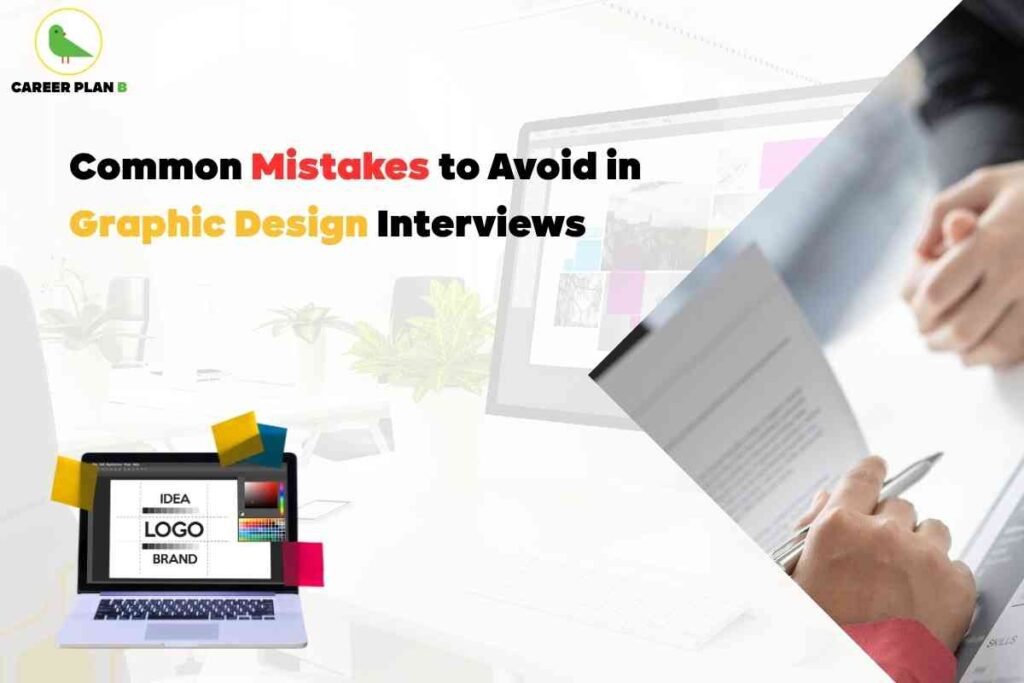
Introduction
Preparing for a design interview isn’t just about showcasing your portfolio — it’s about how you think, communicate, and carry yourself as a creative professional. Whether you’re applying to top design colleges or interviewing for your first job, understanding the common mistakes to avoid in graphic design interviews can make a huge difference. From poor presentation to lack of industry awareness, even skilled candidates often get rejected due to easily avoidable errors. In this blog, we’ll walk you through the most frequent slip-ups and how to fix them, so you can enter your next graphic design interview with clarity, confidence, and a strong chance of success..
Top Mistakes to Avoid in Graphic Design Interviews
1. Presenting an Unorganized or Incomplete Portfolio
Mistake: Carrying a cluttered portfolio, outdated work, or unrelated projects.
Why It Hurts You: Interviewers judge your thought process, not just visuals. A poorly organized portfolio signals poor workflow and lack of design direction.
What to Do Instead:
- Showcase 8–12 best projects
- Include process work (research, ideation, iteration)
- Tailor your portfolio to the job/course you’re applying for
2. Not Understanding the Brief or Role You’re Applying For
Mistake: Giving generic answers or not knowing what the course/job entails.
Why It Hurts You: It shows lack of research and seriousness.
What to Do Instead:
- Study the design program/firm’s past work or curriculum
- Prepare how your goals align with what they offer
- Understand if they focus on UI/UX, branding, motion graphics, etc.
3. Over-Explaining Technical Tools, Under-Explaining Design Thinking
Mistake: Talking only about your skills in Photoshop, Illustrator, or Figma.
Why It Hurts You: Software is just a tool. What matters more is how you solve design problems.
What to Do Instead:
- Focus on why you made certain visual decisions
- Share how you considered target users and design objectives
- Back your decisions with logic, not just style
4. Failure to Explain Creative Decisions
Mistake: When asked “Why did you use this font or color palette?”, many candidates say, “It looked good.”
Why It Hurts You: This reflects a weak design rationale.
What to Do Instead:
- Justify every element: typography, spacing, colors, layout
- Use terms like hierarchy, contrast, alignment, white space
5. Lack of Understanding of Design Trends or History
Mistake: Being unaware of movements like minimalism, brutalism, or Bauhaus.
Why It Hurts You: Shows shallow design knowledge and lack of inspiration.
What to Do Instead:
- Stay updated with top graphic design trends
- Know the influence of past styles on current work.
What Interviewers Look for in a Graphic Design Candidate
Design mentors, educators, and recruiters from top firms suggest interviewers are assessing:
- Concept clarity and problem-solving approach
- Balance of creativity and practicality
- Knowledge of visual grammar and digital workflows
- Portfolio storytelling and articulation
- Growth mindset and collaborative attitude
Checklist for Graphic Design Interview Success
- 8–12 curated projects with process insights
- Clear explanation for each design decision
- Awareness of current and past design trends
- Answers to common design questions practiced
- Communication style — confident but not arrogant
- Customized approach for the role/institute
- Ready questions to ask the panel
- Portfolio in both physical and digital format (PDF or Behance optional.
Do's and Don'ts for Your Graphic Design Interview
| Do’s | Don’ts |
|---|---|
| Tell a Story For each portfolio piece, explain the problem, your process, and the result. | Just Show Pictures Don’t just flip through images without explaining your strategic thinking. |
| Research the Company Align your skills and answers with the company’s brand and needs. | Be Unprepared Don’t walk in without knowing the company’s work or having questions ready. |
| Articulate Your Rationale Clearly explain the “why” behind your design decisions. | Get Defensive Be open to constructive criticism and show you are a good collaborator. |
| Emphasize Soft Skills Highlight your communication, problem-solving, and teamwork abilities. | Speak Negatively Avoid criticizing past clients, colleagues, or employers. |
FAQs About Graphic Design Interviews
Q: What should I do if I’m given a design challenge?
A: First, ask clarifying questions to ensure you fully understand the brief, goals, and constraints. As you work, think out loud to explain your process. The interviewer is often more interested in your problem-solving approach than a perfect final product.
Q: Is it okay to admit I don’t know the answer to a technical question?
A: Yes. Honesty is always better than bluffing. You can say, “I’m not as familiar with that, but I’m a fast learner and passionate about developing my skills.” This shows self-awareness and a growth mindset.
Q: How should I follow up after the interview?
A: Send a personalized thank-you email within 24 hours. Briefly reiterate your interest in the position and mention something specific you enjoyed discussing. This is a professional touch that keeps you top of mind.
Conclusion: Prepare Like a Designer, Not Just a Candidate
Acing a graphic design interview isn’t about having the flashiest portfolio — it’s about showing who you are as a thinker, creator, and communicator. The mistakes listed above are easy to avoid if you approach your preparation with clarity, authenticity, and strategy.
Treat your interview like a design project — understand the brief (the role or course), craft your message (portfolio), and deliver with confidence (presentation). That’s the formula to success in 2025’s competitive design landscape.
Want to Ace Your Graphic Design Interview in 2025?
At Career Plan B, we help aspiring graphic designers stand out in interviews for top colleges, internships, and design roles. Whether you’re preparing for admission to a design course or a job interview at a creative agency, we’re here to guide you.
Here’s how we support you:
✅ Mock Interviews tailored to graphic design interview formats (college + industry)
✅ Portfolio Review & Coaching to polish your layout, hierarchy, and storytelling
✅ Feedback on Communication to help you articulate your design thinking clearly
✅ Branding & Soft Skills Training so you present yourself as a professional designer
✅ Real-World Insights into what interviewers look for in top design candidates
💬 Book Your Free Graphic Design Interview Strategy Call
Get personal guidance from our expert mentors and prepare to crack your graphic design interview with confidence!