Likhith · November 1, 2025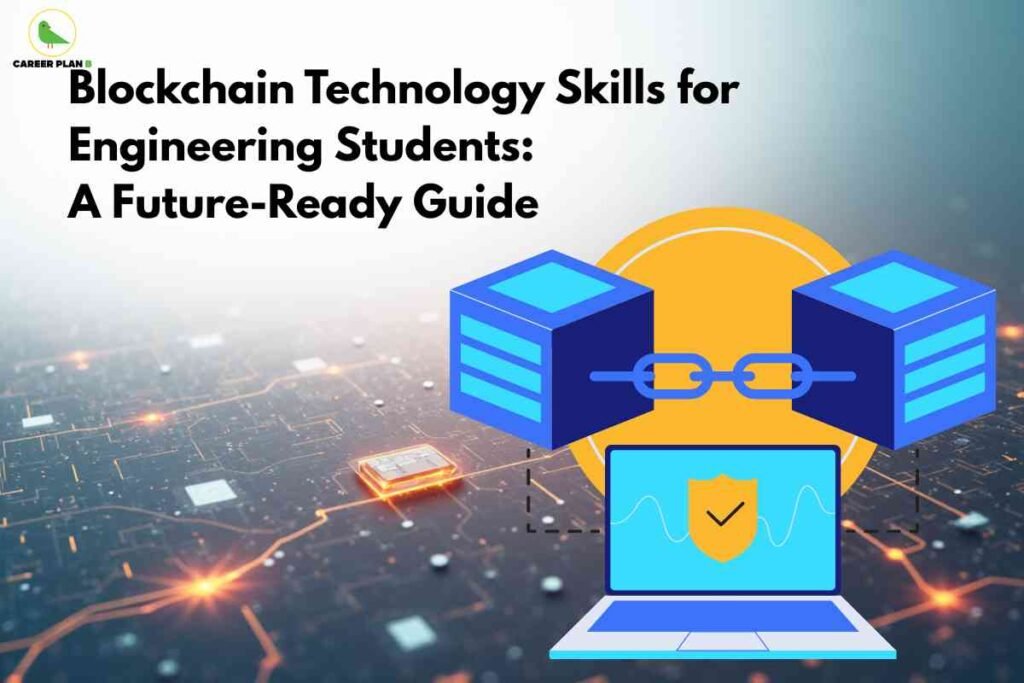
Introduction
Blockchain technology is no longer limited to cryptocurrencies like Bitcoin; it’s rapidly transforming industries and reshaping the future of engineering. For engineering students today, building blockchain technology skills is essential to stay relevant and seize emerging career opportunities. The global blockchain market is projected to skyrocket to $1.4 trillion by 2030. For today’s engineering students, the question isn’t if they should learn blockchain, but how quickly they can master it to lead the next wave of innovation. This blog delves into the key blockchain skills future engineers should develop, the best courses available, real-world applications, and how these skills can turbocharge career growth.
Why Blockchain Technology Skills Are Vital for Future Engineers
Blockchain’s value extends far beyond finance. Engineers leverage it for transparent supply chains, Internet of Things (IoT) security, smart contracts automating transactions, and more. Developing blockchain skills enables engineers to design decentralized, secure systems that solve complex real-world problems. For example, blockchain is revolutionizing smart grid energy systems, where secure, transparent transaction records between producers and consumers enhance efficiency and trust. Similarly, product traceability in manufacturing ensures authenticity and recall management. These use cases illustrate why blockchain knowledge is becoming a prerequisite for innovative engineering roles.
Key Blockchain Technology Skills Engineering Students Should Develop
Master the Core Concepts
Engineers must grasp blockchain’s core concepts: distributed ledger technology ensuring decentralized data storage, cryptography safeguarding information, and consensus algorithms enabling agreement on network states without central authorities. These fundamentals form the backbone of all blockchain applications.
Learn the Languages of Decentralization
To build blockchain applications, proficiency in programming languages like Solidity (for Ethereum smart contracts), JavaScript, and Python is essential. Learning to create smart contracts—self-executing contracts with coded rules—and decentralized apps (DApps) empowers engineers to develop innovative solutions on blockchain platforms.
Get Hands-On with Key Platforms
Familiarity with popular blockchain platforms such as Ethereum, Hyperledger Fabric, and Polkadot is key. Each platform offers unique tools and frameworks for development. Hands-on experience with these platforms enhances practical understanding and employability.
Build a Foundation in Blockchain Security
Given blockchain’s reliance on cryptographic techniques to ensure data integrity and privacy, engineers need strong skills in encryption, hashing algorithms, and security protocols. This knowledge helps prevent vulnerabilities and secures blockchain networks effectively.
Best Blockchain Courses for Engineering Students
Several top courses cater to engineering students eager to start or advance their blockchain journey. These courses typically include hands-on projects, certification, and connections to industry experts.
- Blockchain Basics by University at Buffalo (Coursera): A beginner-friendly course covering blockchain principles and applications. Perfect for students just starting out with no prior experience.
- Ethereum and Solidity: The Complete Developer’s Guide (Udemy): Focuses on smart contract development using Solidity. Ideal for those who want to specialize in building decentralized applications (DApps).
- Certified Blockchain Developer (Blockchain Council): Offers in-depth technical knowledge and practical skills for blockchain development. Best for students seeking a professional certification to validate their skills for employers.
How Blockchain Skills Impact Future Engineering Careers
Blockchain skills open doors to roles like blockchain developer, blockchain architect, and security analyst. In sectors such as manufacturing, energy, and logistics, blockchain enhances transparency, efficiency, and security. Moreover, engineers proficient in blockchain can drive startups and entrepreneurial ventures focusing on decentralized applications.
Career Plan B – Your Backup for Success
At Career Plan B, our mission is simple: Right to Quality Education and Career, hence Quality Life!
With over 16 years of expertise, we provide:
- One-on-One Counselling Support – Personalized guidance for your career path.
- Career Roadmaps – Clear strategies based on your interests and strengths.
- Backup Strategies – Alternative options so you never miss opportunities.
Book a free counselling session today with Career Plan B
FAQs
- Is blockchain knowledge necessary for all engineering branches?
While especially valuable in computer, electrical, and mechanical fields, blockchain skills are increasingly relevant across all engineering disciplines dealing with data and automation. - How hard is it for engineers to learn blockchain technology?
With a solid engineering foundation, learning blockchain is manageable through structured courses, practical projects, and consistent practice. - What programming skills are most important for blockchain?
Solidity, JavaScript, and Python are essential languages for blockchain development and smart contract programming. - How long does it take to complete a blockchain course?
Depending on depth, beginner courses take 1-3 months, while comprehensive certifications can span 4-6 months. - Can blockchain skills improve job prospects significantly?
Yes, blockchain expertise is highly sought after, enhancing employability and opening high-growth career pathways.
Conclusion
Blockchain technology is more than a buzzword; it’s a transformative skill set every future-ready engineer should master. By acquiring blockchain fundamentals, programming abilities, and platform expertise, engineering students can future-proof their careers and contribute to cutting-edge innovations. Start exploring blockchain courses today and build the technology skills that will define tomorrow’s engineering landscape.
For expert career guidance, contact career plan b