Likhith · December 3, 2025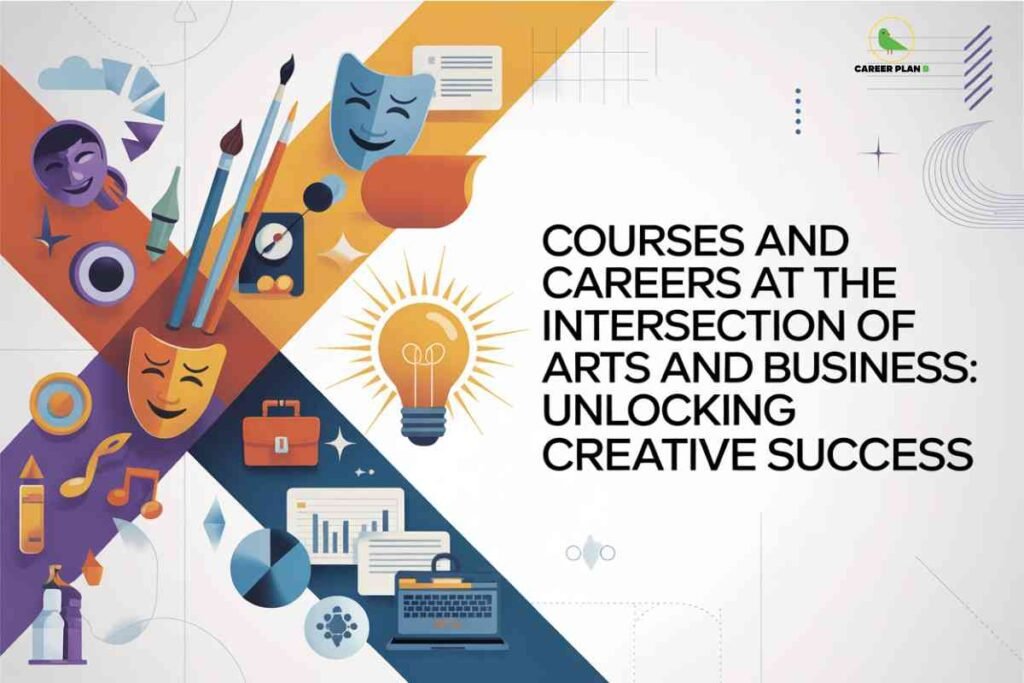
Introduction:
Have you ever wondered if it’s possible to channel your creative passion into a successful business career? The world today is witnessing a dynamic convergence of arts and business, opening new doors for those who want more than just a traditional path. Arts are no longer confined to studios and galleries—they now power industries, drive innovation, and influence global markets. Did you know that the creative economy contributes over $2.25 trillion annually worldwide? It’s clear that combining artistic skills with business savvy is a winning formula.
In this blog, we will explore diverse courses at the intersection of arts and business, uncover career opportunities that leverage both fields, and guide you with practical advice on how to thrive in this vibrant space. Whether you’re an aspiring artist, entrepreneur, or marketer, there’s something here for you.
Why the Blend of Arts and Business Matters
What Makes Arts and Business an Unbeatable Combination?
Creativity ignites new ideas, while business acumen transforms those ideas into value. This blend fosters innovation in industries such as entertainment, fashion, advertising, digital media, and design. Today’s market rewards professionals who can not only create but also strategize, market, and monetize creative work.
Consider a fashion designer who understands supply chain dynamics, or a graphic artist skilled in marketing strategies. Their ability to merge art with business knowledge gives them a competitive edge, unlocking opportunities and financial growth.
Key Courses to Bridge Arts and Business
Which Courses Equip You for This Hybrid Career?
The educational landscape now offers numerous interdisciplinary courses designed to nurture both creative and business competencies:
- Bachelor’s in Arts Management: This prepares students for managing cultural institutions, galleries, theaters, or music organizations by integrating arts appreciation with management principles.
- Bachelor’s in Creative Business: A focused degree combining marketing, brand management, and creative strategy.
- Bachelor of Business Administration with a Focus on Creative Industries: Business fundamentals paired with coursework in media, design, or entertainment.
- Diploma in Digital Marketing for Creative Professionals: Practical skills in online promotion tailored for artists, designers, and other creatives.
- MBA in Arts and Cultural Management: A postgraduate option for advanced business skills tailored to cultural and creative organizations.
- Short Courses and Certifications: Many institutes offer specialized workshops on design thinking, entrepreneurship, social media marketing, and more.
These courses empower students to become versatile professionals ready to navigate diverse roles.
Career Opportunities: Where Can You Go?
What Are the Top Career Paths at This Intersection?
Here are some promising fields where creative and business talents merge:
- Art Director: Leading creative teams while managing project budgets and client relationships.
- Brand Manager: Crafting brand identity through creative campaigns and strategic planning.
- Creative Entrepreneur: Launching ventures like design studios, fashion labels, or digital content platforms.
- Event Manager for Cultural and Arts Events: Organizing and promoting concerts, exhibitions, or festivals.
- Marketing Specialist for Creative Industries: Driving campaigns for music, film, fashion, or gaming sectors.
- Content Strategist: Developing engaging content that resonates with target audiences and meets business goals.
- Gallery or Museum Manager: Overseeing operations, exhibitions, and funding.
Each role demands a blend of creativity, leadership, and business skills, making these careers highly rewarding yet challenging.
How to Succeed in Arts-Business Careers
What Strategies Can Boost Your Success?
- Build a Solid Foundation: Start with interdisciplinary education to get both artistic and managerial know-how.
- Network Extensively: Engage with industry professionals through internships, events, and online platforms.
- Develop Digital Skills: Master tools like Adobe Creative Suite, social media marketing, and data analytics.
- Home Communication: Clear storytelling and persuasion skills are crucial.
- Stay Adaptable: The creative business landscape evolves fast; continuous learning is key.
- Showcase Your Portfolio: Whether it’s art, campaigns, or projects—make your work visible to potential clients or employers.
- Entrepreneurial Mindset: Be proactive in seeking opportunities, funding, and partnerships.
Real-world example: An artist who learned business management launched a successful brand selling eco-friendly art supplies online, combining creativity with savvy e-commerce skills.
How Career Plan B Supports Every Step
- Personalized Counseling: In-depth one-on-one counseling to align specialization, college choices, and career goals.
- Timeline & Reminder Service: Never miss a deadline—receive timely reminders and updates about institute-wise counseling calendars.
- Document Checklist & Verification: Guidance to prepare all required documentation, reducing stress on D-day.
- Preference Analysis: Analysis of seat trends, cut-offs, and college quality to build a winning choice list.
- Mock Counseling & Strategy: Practice sessions to simulate real counseling—boosting your confidence, reducing errors.
- Support for Appeals/Technical Issues: Help in resolving portal issues, appeals, or queries with admission authorities.
Have any doubts?
📞 Contact our expert counsellor today and get all your questions answered!
Frequently Asked Questions (FAQs)
1. Can I pursue a career in arts and business without a formal degree?
Yes, skills and experience matter greatly. Many professionals succeed through certifications, workshops, self-learning, and portfolio development.
2. Are these courses expensive or accessible?
Costs vary; some universities offer affordable programs or scholarships. Online platforms also offer cost-effective courses.
3. What industries value arts-business skills the most?
Fashion, entertainment, digital media, advertising, publishing, and cultural organizations are top industries seeking these hybrid skills.
4. Is entrepreneurship common in this field?
Yes, many creatives fuse business knowledge to start their own ventures, from online stores to media production houses.
5. How important is networking?
Immense. Networking often leads to collaborations, jobs, and business deals in creative industries.
6. Will technology replace creative jobs?
Technology enhances creativity but human ingenuity, storytelling, and emotional connection remain indispensable.
Conclusion: Craft Your Unique Path at Arts and Business Crossroads
Navigating the intersection of arts and business opens a world of exciting possibilities where creativity meets commerce. Choosing the right courses equips you with a versatile skill set, and the career paths are as diverse as your imagination. The key to lasting success lies in continuous learning, building connections, and marrying your artistic passion with smart business strategies.
Are you ready to transform creativity into a thriving career? Start exploring the courses, sharpen your skills, and carve out your unique place in the colorful business world. For those pursuing diverse career options and creative growth, Career Plan B is here to guide and inspire your journey. Embrace the best of both worlds and let your creative spirit soar!
If help is needed in choosing the best course or career path, Career Plan B’s resources and expert advice can lighten the journey. What’s stopping you from turning passion into profession today?