Piyush · March 24, 2026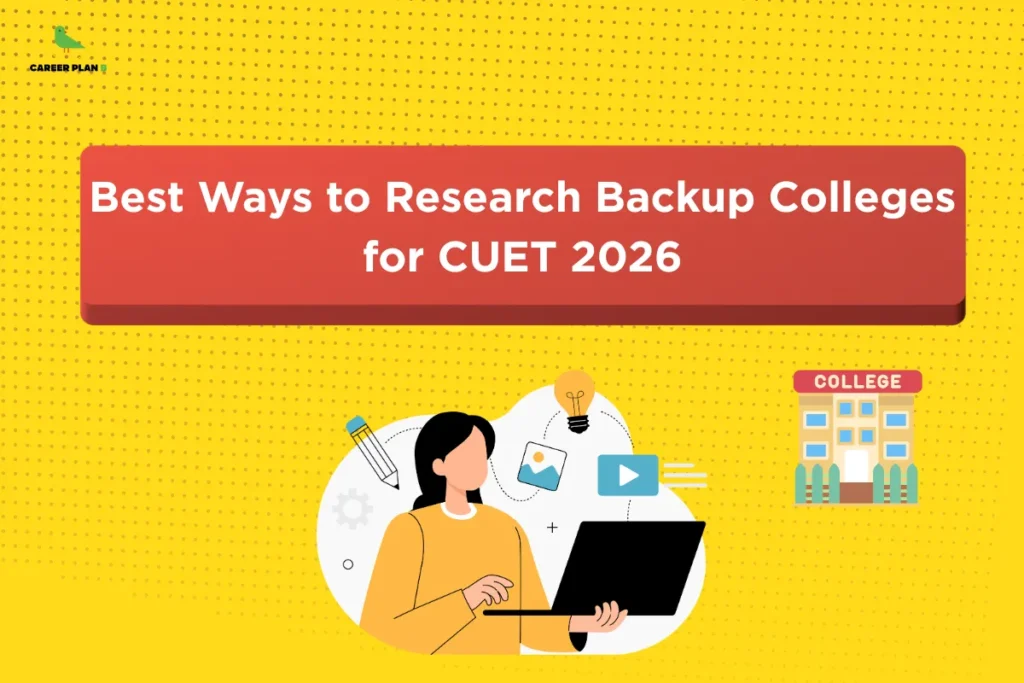
Introduction
Every year, thousands of students across India appear for the CUET exam hoping to secure a seat in top universities. However, with competition rising and limited seats available, even well-prepared students sometimes miss out on their preferred colleges. That is why planning Backup Colleges for CUET 2026 is not a sign of doubt—it is a smart strategy that ensures students always have alternative opportunities ready.
Preparing a list of Backup Colleges for CUET 2026 helps students avoid last-minute panic during counselling and admissions. Instead of relying on a single dream university, students can research multiple institutions, compare courses, and explore realistic options. In this blog, we will explore practical ways to research Backup Colleges for CUET 2026, using official sources, university websites, and verified data to help students make confident decisions.
Why You Should Plan Backup Colleges for CUET 2026
CUET has transformed undergraduate admissions in India by allowing students to apply to multiple universities through a single entrance exam. While this system creates more opportunities, it also increases competition for top institutions.
For example, prestigious universities like University of Delhi, Banaras Hindu University, and Jawaharlal Nehru University receive thousands of applications for limited seats every year.
So why exactly should students research backup colleges? Here are a few reasons:
- CUET cut-offs change every year
- Seats are limited in popular courses
- Many universities have similar programs with different admission criteria
- Counselling timelines can be tight
In simple words, having backup colleges is like carrying an umbrella—you may not need it, but it protects you when unexpected situations arise.
Where Should You Start Your Research?
1. Check the Official CUET University List
The first and most reliable place to begin your research is the official CUET portal managed by the National Testing Agency. Students can find a complete list of participating universities and programs here: CUET official portal: https://cuet.nta.nic.in
Another important authority that lists recognized universities in India is the University Grants Commission. UGC website: https://www.ugc.gov.in
By checking these two official platforms, students can ensure that the universities they are considering are legitimate and approved. Always cross-check university recognition through official government websites to avoid misinformation.
2. Compare Courses Instead of Just Colleges
Many students make the mistake of focusing only on college names instead of course quality. But here’s an important question: Is the college brand more important than the course you will study for three years?
Often, the same course may be available at multiple universities with excellent faculty and facilities. For example:
| Course | Universities Offering Similar Programs |
| BA Economics | DU, BHU, JNU |
| BBA | Central universities, state universities |
| BA Psychology | DU, AUD |
Universities like Dr. B. R. Ambedkar University Delhi offer several high-quality undergraduate programs.
Students researching Backup Colleges for CUET 2026 should analyze:
- course curriculum
- faculty expertise
- internship opportunities
- career prospects
Remember: A great course from a good university can sometimes be more beneficial than a random course from a famous one.
What Factors Should You Check While Selecting Backup Colleges?
1. Accreditation and Rankings
Before finalizing any college, students must check its accreditation status. Two important authorities in India help evaluate university quality:
- National Assessment and Accreditation Council
https://www.naac.gov.in - National Institutional Ranking Framework
https://www.nirfindia.org
NAAC accreditation grades universities on academic quality, infrastructure, and teaching standards. Meanwhile, NIRF rankings compare institutions across India based on research, placements, and student outcomes.
2. Faculty, Placements, and Infrastructure
Imagine enrolling in a university where the classrooms are modern, faculty members are experts, and internship opportunities are easily available. Wouldn’t that enhance your learning experience?
That is why students should carefully examine:
- faculty profiles
- research publications
- placement records
- industry collaborations
Universities such as Jamia Millia Islamia and Aligarh Muslim University are known for strong academic programs and experienced faculty members. Official university websites usually publish detailed faculty information, which can help students assess academic strength.
3. Location and Campus Environment
Another important factor while researching Backup Colleges for CUET 2026 is campus location.
Ask yourself:
- Do you prefer studying in a metropolitan city?
- Would a smaller university town suit your lifestyle better?
- Are hostel facilities available?
Location influences several aspects of student life, including internships, networking opportunities, and living costs. For instance, universities located in cities like Delhi often provide better access to internships and industry exposure.
Smart Online Tools to Research Backup Colleges
1. Official University Websites
The most reliable information always comes from official university websites. Here are examples of official portals students should explore:
- University of Delhi: https://www.du.ac.in
- Banaras Hindu University: https://www.bhu.ac.in
- Jamia Millia Islamia: https://www.jmi.ac.in
These websites provide:
- admission notifications
- course details
- eligibility criteria
- seat matrix
When researching Backup Colleges for CUET 2026, always prioritize official university portals over unofficial blogs or forums.
2. Admission Brochures and Prospectus
University prospectuses are valuable resources that many students overlook. Admission brochures usually include:
- detailed course structures
- CUET eligibility requirements
- admission timelines
- reservation policies
- seat availability
These documents are updated annually and provide the most accurate admission information. Students should download the latest admission brochure from official university websites before finalizing their backup options.
Create Your Personal CUET Backup College List
A structured list makes the admission process far easier during counselling.
Step 1: Identify Dream Universities
These are highly competitive institutions where admission depends on top CUET scores. Examples:
- DU
- JNU
Step 2: Add Realistic Colleges
Universities where admission chances are moderate. Examples:
- BHU
- Jamia Millia Islamia
Step 3: Add Safe Options
Colleges where admission probability is relatively high.
| Category | Example Universities |
| Dream | DU, JNU |
| Realistic | BHU, JMI |
| Safe | State universities |
By organizing Backup Colleges for CUET 2026 into these categories, students can approach counseling with confidence instead of uncertainty.
Confused about your next steps? Get a personalized roadmap tailored to your career goals.
Common Mistakes Students Make While Choosing Backup Colleges
Even smart students sometimes make avoidable mistakes while researching universities.
1. Focusing Only on Famous Universities
Many students ignore excellent institutions simply because they are less popular.
2. Ignoring Course Curriculum
The course structure may vary significantly between universities.
3. Not Checking Eligibility Criteria
Some programs require specific CUET subject combinations.
4. Waiting Until CUET Results
Researching backup colleges after results can create unnecessary stress. Planning early ensures students have enough time to analyze options carefully.
How Career Plan B Helps
Career Plan B supports students in building strong admission strategies for CUET 2026 through structured guidance:
- Personalized Career Counselling: Helps students evaluate their interests, strengths, and shortlist suitable universities and courses.
- Psycheintel Career Assessment Tests: Identifies aptitude, personality traits, and learning patterns to guide informed academic decisions.
- Admission & Academic Profile Guidance: Assists students in understanding admission requirements while strengthening their academic profile.
- Career Roadmapping: Provides a clear strategy to explore backup colleges for CUET 2026 and build realistic, achievable college options aligned with students’ goals.
For Latest Information
Frequently Asked Questions
1. How many backup colleges should I research for CUET 2026?
Experts usually recommend researching at least 5–10 backup colleges. This provides enough options during counselling while still keeping the selection process manageable.
2. Do all universities accept CUET scores?
No. While many central and some state universities accept CUET scores, some institutions still conduct their own entrance exams or follow separate admission processes.
3. Can private universities be good backup options?
Yes. Several private universities offer strong academic programs, modern infrastructure, and good industry exposure. They can be reliable alternatives if central university admissions become highly competitive.
4. Where can I find official CUET admission updates?
Students should regularly check the official website of the National Testing Agency at https://cuet.nta.nic.in for accurate updates regarding exam schedules, participating universities, and admission procedures.
5. Should I apply to colleges before CUET results are announced?
Some universities open registration forms before CUET results. Therefore, students should track official notifications carefully and complete applications within the specified deadlines.
Conclusion
Planning Backup Colleges for CUET 2026 is one of the smartest steps students can take while preparing for university admissions. By researching universities early, comparing courses, checking accreditation, and using official websites, students can build a strong list of alternative colleges. This preparation reduces stress and helps students approach CUET counselling with clarity and confidence.
In the end, college admissions are not only about securing a famous university—they are about finding the right environment where students can learn, grow, and build their future careers. With thoughtful research and a well-prepared backup plan, students can turn CUET into an opportunity rather than a source of pressure.