Piyush · March 24, 2026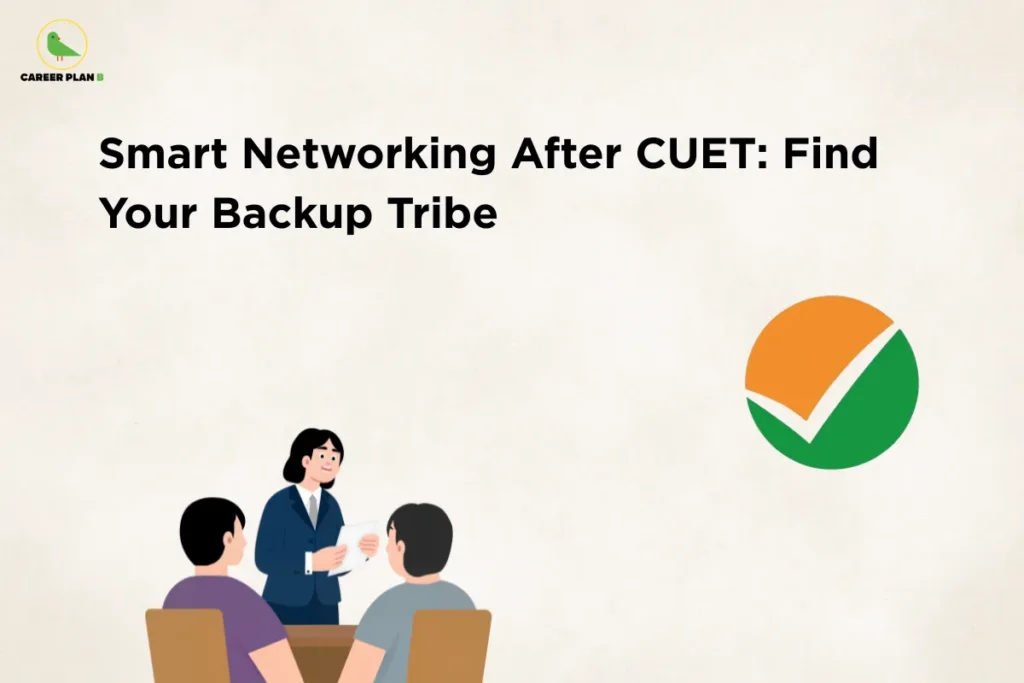
Introduction
Preparing for competitive exams like CUET often feels like running a marathon. Months of preparation, expectations from family, and uncertainty about results can make the journey overwhelming. This is where Networking After CUET becomes an unexpected but powerful support system. When students connect with peers, mentors, and career communities, they open doors to information, guidance, and emotional support.
In fact, Networking After CUET can help students discover backup options, learn about universities, and gain insights from seniors who have already walked the same path. Instead of facing uncertainty alone, students who focus on Networking After CUET create a “backup tribe” — a circle of people who share knowledge, experiences, and opportunities.
Why Networking After CUET Matters More Than You Think
Many students believe networking is only for professionals. However, building connections during the student phase can be just as valuable.
According to research by LinkedIn, a significant portion of opportunities and career guidance come through personal or professional connections. While students may not be searching for jobs yet, the same idea applies to career guidance, university choices, and academic planning.
The Hidden Advantage of Student Communities
Student communities work like support ecosystems. Imagine preparing for an exam and having a group where everyone shares notes, university updates, and scholarship information. This shared knowledge makes decision-making easier.
Some benefits include:
- Discovering CUET backup options
- Getting insights about universities from seniors
- Learning about scholarships and admission deadlines
- Emotional support during stressful times
For example, platforms like National Career Service provide official career guidance and information about education and career opportunities for students in India.
What Does a “Backup Tribe” Really Mean?
A backup tribe is simply a group of people who help you navigate uncertain academic decisions. These connections may include peers, seniors, mentors, and career counselors.
1. Peers Preparing for CUET
Students appearing for CUET share similar concerns. Joining peer groups helps in:
- Sharing preparation strategies
- Discussing exam updates
- Exploring alternative universities
When students collaborate instead of competing silently, everyone benefits.
2. Mentors and Seniors
Seniors who have already taken CUET or joined universities offer valuable guidance. They can help answer questions such as:
- Which universities accept CUET scores?
- What subject combinations are best?
- How difficult is the admission process?
Mentorship is a powerful part of student networking opportunities.
3. Career Counsellors
Professional counselors guide students with structured career planning. They help students understand their strengths and identify suitable courses and universities.
Organizations like the University Grants Commission provide information about recognized universities and higher education opportunities in India.
Confused about your next steps? Get a personalized roadmap tailored to your career goals.
Where Can Students Start Networking After CUET?
The good news is that networking today is easier than ever. Students can connect both online and offline.
1. Online Student Communities
Digital platforms allow students across the country to share information and support each other. Popular platforms include:
- Telegram
- Discord
Students use these platforms to:
- Join CUET preparation groups
- Follow university updates
- Participate in career discussions
Even creating a simple student profile on LinkedIn helps build an early academic network.
2. Official Career Platforms and Forums
Some of the most reliable information comes from official portals. For example:
- The National Testing Agency provides official exam updates and announcements.
- The University Grants Commission lists recognized universities and higher education guidelines.
Checking these platforms ensures students receive accurate and verified information.
3. College Webinars and Admission Sessions
Many universities conduct free online webinars for prospective students. These sessions help students:
- Understand admission requirements
- Learn about campus life
- Explore course options
Students often meet peers during these sessions, which naturally expands their student communities in India.
5 Smart Networking Strategies for CUET Aspirants
1. Join CUET Preparation Communities
Start by joining a few active student groups. These groups often share:
- Exam updates
- University admission news
- Scholarship opportunities
The key is to stay engaged and participate in discussions.
2. Connect With Seniors From Target Universities
If you already have universities in mind, try connecting with seniors studying there. Ask questions like:
- How was your CUET preparation?
- What are the best courses offered?
- What challenges should new students expect?
These conversations provide practical insights no brochure can offer.
3. Attend Free Career Webinars
Career webinars are a great place to meet mentors and learn about new opportunities. Many educational organizations host sessions on:
- Career planning after CUET
- Course selection
- University admissions
These events are valuable for career guidance after CUET.
4. Build a Simple LinkedIn Profile
Many students underestimate LinkedIn. But it is one of the best places to start building a professional mindset early.
A basic student profile should include:
- Education details
- Interests and skills
- Academic achievements
Following universities and career organizations can help students stay informed.
5. Ask the Right Questions
Networking is not just about joining groups. It is about asking meaningful questions. Good questions include:
- What backup universities accept CUET scores?
- Which courses are trending in certain fields?
- How can students improve their academic profile?
Curiosity often leads to the most valuable conversations.
What Mistakes Should Students Avoid While Networking?
While networking can be helpful, students should approach it thoughtfully. Common mistakes include:
- Joining too many groups and getting overwhelmed
- Only asking for notes or shortcuts
- Ignoring professional etiquette while messaging seniors
- Not verifying information from official sources
- Failing to follow up after conversations
Remember, quality connections matter more than quantity.
How Career Plan B Helps
Career Plan B supports students in making confident decisions after CUET through structured guidance:
- Personalized Career Counselling: Helps students explore suitable universities and courses based on their interests, strengths, and career goals.
- Psycheintel Career Assessment Tests: Identifies aptitude, personality traits, and learning patterns to guide informed academic decisions.
- Admission & Academic Profile Guidance: Assists students in understanding admission requirements while strengthening their academic profile.
- Career Roadmapping: Provides a clear long-term plan that helps students align their university choices with future academic and career aspirations.
For Latest Information
FAQs
1. Why is networking important after CUET?
Networking helps students discover university options, receive guidance from seniors, and stay updated about admissions, scholarships, and career opportunities.
2. How can shy students start networking?
Start small by joining online communities and observing discussions. Gradually participate by asking questions or sharing helpful information.
3. Are online student communities reliable?
They can be helpful, but students should always verify important information through official sources like the National Testing Agency or university websites.
4. Can networking help students find backup universities?
Yes. Many students learn about alternative universities and courses through peer discussions and mentorship within student communities.
5. Is LinkedIn useful for school students?
Yes. LinkedIn allows students to follow universities, connect with mentors, and explore career insights early in their academic journey.
Conclusion
The journey after CUET does not have to be lonely or uncertain. By focusing on Networking After CUET, students can build meaningful connections with peers, mentors, and professionals who guide them through academic choices. These relationships often reveal opportunities that students may not discover on their own.
Think of networking as building your backup tribe—a circle that shares knowledge, support, and encouragement. When students collaborate and stay curious, they transform uncertainty into opportunity and move forward with confidence in their academic journey.