Piyush · March 24, 2026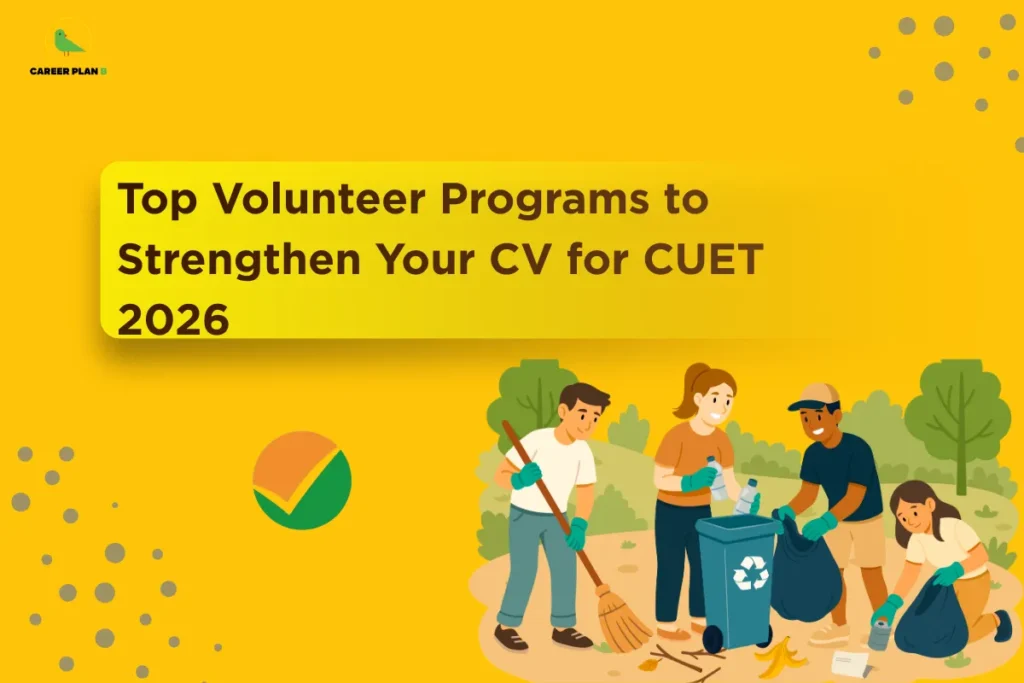
Introduction
Every year, thousands of students appear for the Common University Entrance Test with the dream of securing admission into top universities. While exam scores remain important, universities increasingly appreciate well-rounded students who show initiative beyond textbooks. That is where Volunteer Programs for CUET 2026 become a valuable opportunity for students who want to build meaningful experiences alongside academic preparation.
Participating in Volunteer Programs for CUET 2026 not only strengthens a student’s CV but also builds leadership, empathy, and real-world problem-solving skills. These programs help students develop qualities that universities value—teamwork, social responsibility, and communication. If you are wondering how volunteering can improve your profile, this guide explores some of the best Volunteer Programs for CUET 2026 and how they can make your application stand out.
Why Volunteer Programs Matter for CUET Profile Building
When universities review applicants, they often look beyond academic performance. They want students who are socially aware, proactive, and capable of contributing positively to campus life.
Key benefits of volunteering include:
- Building leadership and teamwork skills
- Understanding real social challenges
- Improving communication and problem-solving abilities
- Demonstrating initiative in college applications
- Strengthening CUET profile building activities
According to the United Nations Volunteers program, youth volunteering plays a major role in building leadership skills and civic engagement among young people. Students who participate in community initiatives often develop stronger decision-making and social awareness skills.
Simply put, volunteering shows that a student cares about making an impact—not just achieving marks.
What Do Universities Actually Look for in Student Profiles?
1. Skills That Admissions Teams Value
Have you ever wondered what makes one student stand out from another with similar exam scores?
Admissions teams often value:
- Leadership and initiative
- Collaboration and teamwork
- Social responsibility
- Creativity and problem-solving
- Consistency in extracurricular activities
Volunteering allows students to demonstrate these skills in real-life situations rather than simply listing them on a CV.
2. How Community Service Adds Value to Your CV
Let’s imagine two students applying for a similar course. Both have similar academic results, but one student has spent six months mentoring children in a community education program.
Which student appears more prepared for real-world challenges? The answer is clear. Community service reflects dedication, empathy, and initiative—qualities that universities respect. That is why community service for students is becoming an important part of profile building.
For Personalized Guidance
Top Volunteer Programs for CUET 2026 Students
1. National Service Scheme (NSS)
The National Service Scheme is one of the largest government-supported volunteer initiatives for students in India. It encourages young people to participate in community development activities.
Activities include:
- rural development projects
- environmental campaigns
- health awareness programs
- disaster relief volunteering
Students involved in NSS gain leadership experience while contributing to social welfare.
Skills gained:
- teamwork
- community engagement
- organizational skills
Because NSS programs are recognized nationwide, they can significantly strengthen a student’s CV for university applications.
2. UNICEF Youth Engagement Programs
UNICEF provides several opportunities for youth engagement and advocacy. Students can participate in awareness campaigns, digital volunteering projects, and community outreach programs.
Focus areas include:
- child rights awareness
- health and education initiatives
- youth participation in social change
Through these programs, students learn about global challenges while building skills in communication and research.
Volunteering with internationally recognized organizations like UNICEF also demonstrates a student’s global awareness—an important quality for modern education.
3. Teach For India Student Volunteering
Teach For India is widely known for improving educational opportunities for children from underserved communities.
Students can volunteer as:
- mentors for school children
- teaching assistants
- community outreach volunteers
Why this program stands out:
- Direct interaction with students
- Opportunity to develop teaching and leadership skills
- Meaningful contribution to education
For students interested in careers in education, psychology, or social sciences, this program can be an especially valuable experience.
4. Robin Hood Army
The Robin Hood Army is a volunteer-based organization focused on fighting hunger and food waste. Volunteers collect surplus food from restaurants and distribute it to communities in need.
Key experiences gained:
- grassroots community engagement
- teamwork and logistics coordination
- social impact awareness
One of the best things about this initiative is that it is completely volunteer-driven and welcomes young people who want to contribute even a few hours each week.
5. iVolunteer India
iVolunteer is a platform that connects volunteers with hundreds of NGOs across India. Students can find projects that match their interests and skills.
Examples of volunteer work include:
- digital media support for NGOs
- event coordination
- community awareness campaigns
- environmental initiatives
Because the platform hosts many organizations, students can choose projects aligned with their academic interests or career goals.
6. United Nations Volunteers Online Volunteering
If students cannot travel for volunteering activities, online volunteering can be an excellent alternative.
The UN Online Volunteering platform allows students to contribute remotely through tasks such as:
- research projects
- content creation
- data analysis
- social media campaigns
This option is particularly useful for students balancing school preparation with volunteering.
How to Choose the Right Volunteer Program for CUET 2026
With so many options available, students often wonder: Which volunteering program should I choose?
- Align volunteering with career interests
For example:
- Education programs for aspiring teachers
- Environmental volunteering for science students
- Social awareness campaigns for humanities students
- Focus on consistency
Admissions teams appreciate long-term involvement more than one-day events.
- Document your impact
Maintain records such as:
- certificates
- volunteer hours
- leadership roles
- project outcomes
Example Table
| Volunteer Area | Skills Developed | Ideal For |
| Education volunteering | Leadership & communication | Teaching, psychology |
| Environmental work | Sustainability awareness | Science students |
| Digital volunteering | Research & content creation | Media & communication |
Consistent volunteering demonstrates commitment and responsibility—qualities that universities respect.
How to Document Volunteering on Your CV
Participating in Volunteer Programs for CUET 2026 is valuable, but presenting it effectively on your CV is equally important.
Tips for documenting volunteering:
- Mention the organization name
- Include duration and number of hours
- Highlight responsibilities
- Describe measurable results
This approach clearly communicates your contribution and impact.
How Career Plan B Helps
Career Plan B supports students in choosing the right extracurricular activities through structured guidance:
- Personalized Career Counselling: Helps students explore extracurricular opportunities that align with their interests, strengths, and academic goals.
- Psycheintel Career Assessment Tests: Identifies aptitude, personality traits, and learning patterns to guide suitable activity choices.
- Admission & Academic Profile Guidance: Assists students in building a balanced academic and extracurricular profile that supports university admissions.
- Career Roadmapping: Provides a clear long-term plan that connects extracurricular involvement with future academic and career aspirations.
For Latest Information
Frequently Asked Questions (FAQs)
1. Do universities consider volunteer work for CUET admissions?
Yes. While CUET scores remain important, universities increasingly value holistic profiles. Volunteer experience shows leadership, responsibility, and social awareness.
2. How many hours of volunteering should students complete?
There is no fixed requirement. However, consistent volunteering over several months demonstrates commitment and creates meaningful experiences.
3. Can online volunteering help strengthen a student profile?
Yes. Online volunteering, especially with recognized organizations, can still develop skills such as research, communication, and project coordination.
4. Which volunteer programs are best for high school students?
Programs like NSS, Teach For India initiatives, Robin Hood Army, and iVolunteer offer opportunities suitable for students interested in community service.
5. Should volunteering match a student’s career interests?
Ideally, yes. Choosing programs aligned with career goals helps students gain relevant skills and strengthens their academic profile.
Conclusion
Preparing for university admissions is about more than just exam scores. Students who actively engage with society, develop leadership skills, and contribute to meaningful causes often stand out in the competitive admissions process. Participating in Volunteer Programs for CUET 2026 allows students to gain practical experiences that complement academic learning and build a strong, well-rounded profile.
For students preparing for CUET, volunteering is not just about collecting certificates—it is about growth, responsibility, and understanding the world beyond classrooms. Starting early, choosing meaningful initiatives, and staying consistent can transform volunteering into a powerful step toward personal development and future success.