Martha Divakar · March 1, 2026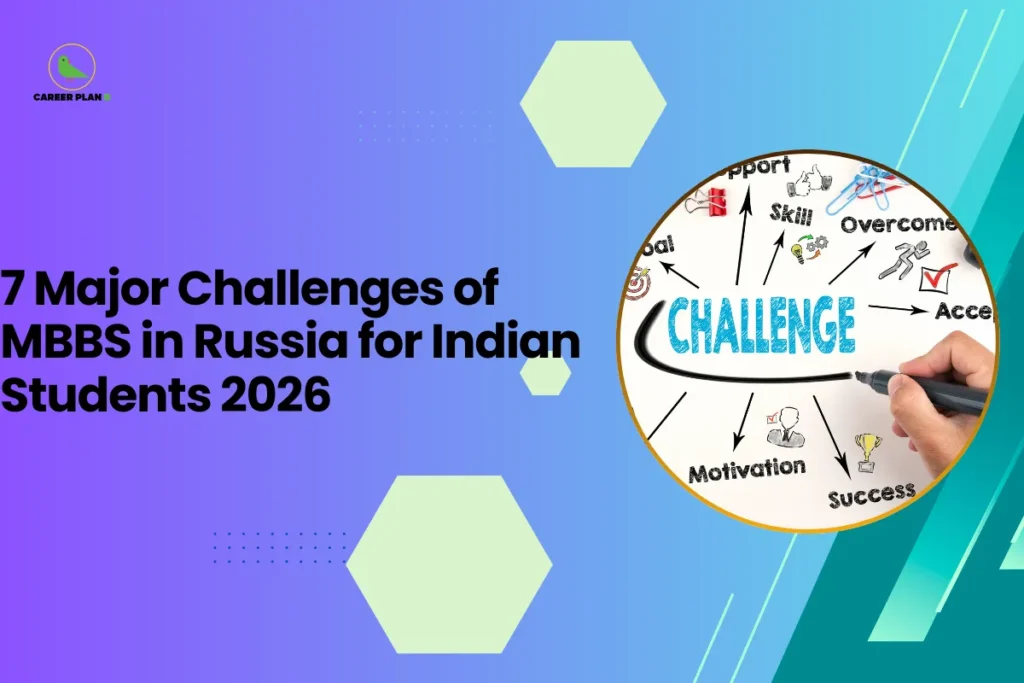
Introduction
The 7 Major Challenges of MBBS in Russia for Indian Students 2026 are significant and increasingly highlighted in recent reports. Russia attracts many Indian students with low tuition fees (often ₹3–6 lakh per year), no capitation/donation, English-medium options, and NMC-recognized degrees from select universities. Around 27,000+ Indian students were enrolled as of early 2025.
However, Ministry of External Affairs (MEA) data for 2025 shows a sharp rise: over 200 complaints from Russian-based Indian students (more than 50% of ~350 global student complaints abroad), up from ~68 in 2023. Issues include exploitation, racial discrimination, harassment, and safety incidents (e.g., knife attacks reported in 2025–2026). FMGE pass rates for Russian graduates hover around 25–30% (e.g., ~29.54% in 2024 data), reflecting curriculum gaps.
This guide covers the most typical challenges Indian students face in Russia for medical studies (MBBS), with realistic tips to prepare or decide wisely in 2026.
1. Language Barriers – A Major Daily and Clinical Obstacle
Even in English-medium programs, Russian dominates hospital settings and patient interactions.
- Lectures might start in English, but clinical rotations require communicating symptoms, histories, and instructions in Russian.
- Many students struggle without B1-level proficiency by years 3–6, leading to limited hands-on learning and misunderstandings.
- Daily life (shopping, landlords, admin) adds isolation without basic Russian.
Most universities offer mandatory preparatory Russian courses in year 1, but skipping deep practice hurts later.
Practical Step: Commit to daily apps/practice and aim for conversational fluency early to thrive in clinical years.
2. Extreme Climate and Health Struggles
Russia’s winters (-20°C to -35°C in many regions) shock students from India’s warmer climates.
- Common problems: frequent illnesses, vitamin D deficiency, dry skin, seasonal affective issues.
- South Indian students often face the steepest adjustment, with some reporting health dips in first winters.
Practical steps: Budget ₹15,000–25,000 for quality thermals, insulated boots, heavy coats, and heaters. Maintain routines with indoor workouts, sunlight exposure, and familiar Indian spices/food to combat homesickness.
3. Limited Hands-On Clinical Exposure
Patient interaction quality varies widely by university.
- Some institutions have low patient volumes or restrict foreign students’ direct contact due to language/regulations.
- This contrasts with high-volume Indian hospitals, creating skill gaps for FMGE/NExT or Indian practice.
Practical step: Choose larger cities like Moscow, Kazan, or St. Petersburg with affiliated busy hospitals for better exposure. Research university-specific reviews on clinical training.
4. FMGE/NExT Preparation Challenges – The Return Home Hurdle
The biggest long-term concern: low FMGE success for Russian graduates.
- Recent data (2024–2025): ~25–30% pass rate overall (e.g., 29.54% in one report), due to theory-heavy Russian curriculum vs. India’s applied/clinical focus.
- Gaps in key FMGE topics (community medicine, forensics, etc.) require extra effort.
Many start online FMGE coaching from year 3.
Practical Step: Select universities with higher pass rates (some >40–50%) and build disciplined self-study habits early.
5. Cultural Shock, Food, and Homesickness
Adapting to a new environment brings emotional strain.
- Food: Hostel messes often lack authentic vegetarian/spicy Indian options; eating out gets expensive/repetitive.
- Homesickness intensifies with time-zone gaps, high flight costs, and limited family visits.
- Subtle isolation from locals or peers adds to the mix.
Practical Step: Join Indian student associations for festivals, cricket, group cooking, and support networks – many universities have active Indian communities.
6. Rising Safety, Discrimination, and Exploitation Issues
Recent MEA data flags Russia as the top source of complaints.
- Issues: racial bias, verbal abuse, harassment, exploitation (e.g., unpaid work, unfair fees), mental pressure, rare violence (knife incidents in 2025–2026), and unjust expulsions.
- Moscow sees the most cases; some fear reporting due to university threats.
Major university cities with large Indian groups are generally safer on-campus, but off-campus caution is needed.
Practical Step: Verify institutions thoroughly, connect with Indian Embassy helplines, and join FMG associations for peer advice.
7. Hidden Financial and Administrative Pressures
Affordability has caveats.
- Extras pile up: visa extensions/runs, winter gear, health issues, travel for emergencies.
- Total realistic cost: ₹20–35 lakh for 6+ years (including living).
- Agents sometimes understate totals or push unsuitable unis.
Practical Step: Budget conservatively and cross-check NMC-compliant universities directly.
How Career Plan B Helps
Worried about these hurdles in Russia?
Career Plan B provides targeted support for MBBS abroad aspirants. Through Personalized Career Counselling, compare Russia vs. safer alternatives; use Psycheintel and Career Assessment Tests to match your strengths. Get Admission and Academic Profile Guidance for NMC-approved choices, plus Career Roadmapping to plan FMGE prep, backups, and long-term success. It’s practical guidance to navigate challenges and secure your medical path.
Have any doubts?
📞 Contact our expert counsellor today and get all your questions answered!
FAQ – Common Questions Answered
- Is MBBS from Russia valid in India in 2026?
Yes, if the university meets NMC guidelines (minimum 54 months + internship, physical attendance, etc.) and you pass FMGE/NExT.
- What’s the latest FMGE pass rate for Russian MBBS graduates?
Around 25–30% (e.g., ~29.5% in recent 2024 data); varies by university – some perform better with focused prep.
- How safe is Russia for Indian students (especially females) in 2026?
On-campus in reputed universities is generally secure, but 2025 MEA data shows rising discrimination/harassment complaints. Opt for big cities with Indian communities; stay vigilant off-campus.
- Do I really need to learn Russian for MBBS in Russia?
Yes; essential for clinical years and daily life. Universities provide courses, but proactive learning is key.
- Are there better alternatives if Russia feels too challenging?
Consider Georgia, Kazakhstan, or Philippines for potentially easier adaptation, better FMGE alignment, and fewer reported safety issues (though costs vary).
- What if I face discrimination, expulsion threats, or other issues?
Contact the Indian Embassy in Moscow or consulates immediately; join FMG groups for support and document everything.
Conclusion: Make an Informed Choice
MBBS in Russia offers real advantages like affordability and recognition, but 2026 realities include tough language/climate adjustments, limited clinical practice, low FMGE odds, and heightened safety/discrimination concerns per MEA reports.
Success hinges on thorough research (NMC-approved unis), early Russian learning, FMGE planning, smart budgeting, and strong support networks. If these challenges feel overwhelming, explore alternatives or expert guidance.