Martha Divakar · March 1, 2026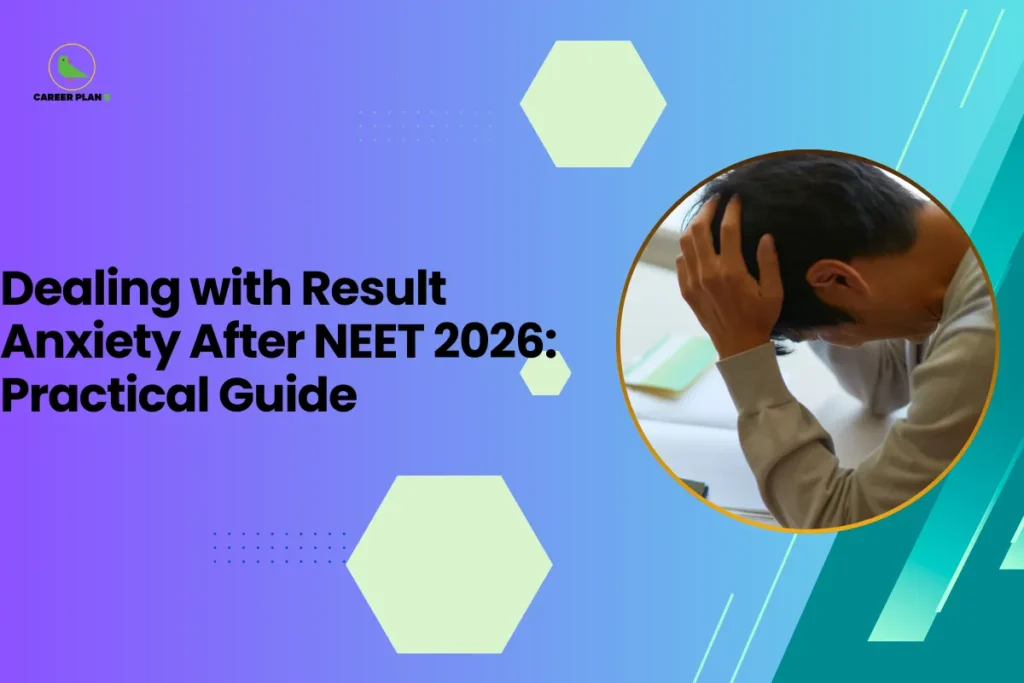
Introduction
Dealing with result anxiety after NEET is something thousands of students face every year. Imagine this: You’ve poured months or maybe years into preparation, and now the wait feels endless. Your mind races with “what ifs,” heart pounds at every notification, and sleep becomes a struggle. If this sounds familiar, know you’re far from alone.
Studies show high levels of anxiety among NEET aspirants. For example, one study on NEET-UG 2020 participants found that 75.5% felt stressed before the exam, with many lacking professional support . Other research reports 40–60% prevalence of anxiety or depression in similar groups preparing for medical entrances. The high stakes, uncertainty, and pressure from family or society make the post-exam period especially tough.
In this guide, we’ll cover why this anxiety hits hard, proven ways to manage it while waiting for results, smart post-result planning (no matter the outcome), and resources to help you thrive. Let’s turn this waiting game into a calmer, more empowered phase.
Understanding NEET Result Anxiety – Why It Hits So Hard
The wait for NEET results; often weeks after the exam creates a perfect storm for stress. Official results typically come from the National Testing Agency (check updates at neet.nta.nic.in), but the uncertainty fuels overthinking.
High stakes play a big role: MBBS seats are limited, competition is fierce, and many see this as their one shot at a dream career. Add social comparisons (friends posting or family expectations), and anxiety spikes.
The good news? This feeling is temporary and manageable with the right tools.
Proven Ways to Manage Anxiety While Waiting for Results
You can’t speed up the NTA, but you can protect your peace. Here are practical, evidence-based steps drawn from student wellness advice and anxiety research:
- Acknowledge your feelings without judgment — It’s normal to feel anxious. Naming it (“I’m feeling result anxiety right now”) reduces its power.
- Practice deep breathing or mindfulness — Try the 4-7-8 technique: Inhale for 4 seconds, hold for 7, exhale for 8. Apps like Calm or simple guided sessions help calm the nervous system quickly.
- Move your body daily — A 30-minute walk, yoga, or jog releases endorphins. Studies on medical students show physical activity lowers stress and burnout.
- Limit doom-scrolling and social media — Set phone boundaries (e.g., no checking groups after 8 PM). Comparisons fuel anxiety.
- Stick to a gentle routine — Sleep 7–8 hours, eat balanced meals, and include small joys like reading or hobbies. Consistent sleep improves mood and resilience.
- Talk it out — Share with a trusted friend, family member, or journal. If it’s overwhelming, consider professional support early.
- Focus on what you control — Make a loose “plan B” list (more below) to feel proactive instead of helpless.
These aren’t quick fixes, but consistent practice reduces intensity over days.
What to Do After the Results – Build Your Post-Exam Plan
Results day arrives; breathe. Whether you qualify with a strong score or face a lower one, have a plan ready.
- If you qualify / good score — Celebrate briefly, then prepare for counselling. Check NTA site for schedules and use tools like rank predictors.
- If score is lower / not qualified — This isn’t failure; it’s redirection. Many build great careers here.
Popular alternatives include:
- AYUSH courses (BAMS, BHMS, BUMS) — Lower cutoffs, respected healthcare roles.
- BDS (Dentistry) — Solid scope in private practice or hospitals.
- B.Sc Nursing / Paramedical — High demand, jobs in India and abroad (e.g., BPT Physiotherapy, Medical Lab Technology).
- B.Pharm or Biotechnology — Pharma industry, research, or further studies.
- Reattempt NEET — Many succeed on a focused drop year with better strategy.
View this as a pivot: Healthcare needs passionate people in many roles. Low NEET score options remain rewarding and stable .
How Career Plan B Helps
Unsure about next steps? Career Plan B offers clarity through personalized career counselling, Psycheintel and career assessment tests to match your strengths, admission guidance, and detailed career roadmapping. Whether exploring alternatives like allied health or planning a reattempt, their support helps reduce anxiety and build a confident path forward—naturally tailored to your situation.
Have any doubts?
📞 Contact our expert counsellor today and get all your questions answered!
FAQ
- Is result anxiety after NEET normal?
Yes—studies show 40–75% of aspirants experience significant anxiety or stress during prep and waiting periods.
- How long until NEET results come?
Typically 4–6 weeks post-exam; check official NTA site for exact dates and updates.
- What if my NEET score is low?
Explore BDS, AYUSH, nursing, paramedical, or pharmacy. Many lead to fulfilling healthcare careers without top ranks.
- Should I take a drop year?
If medicine is your passion and you can improve strategy, yes; but weigh mental health and alternatives first.
- How can I stop overthinking results?
Use mindfulness, routines, and limit triggers. Talk to someone; professional help eases the load.
- Can anxiety affect my health long-term?
Unchecked, yes but early coping prevents that. Reach out if sleep, appetite, or mood suffer persistently.
Conclusion
Dealing with result anxiety after NEET is tough, but it’s survivable and often a growth moment. Understand it’s common, use daily coping tools like breathing and movement, and prepare flexible plans for any outcome. Your worth isn’t defined by one score; countless paths in healthcare and beyond await.
Take the first step today: Try one calming technique or list three options that excite you. If you need extra guidance, explore Career Plan B for personalized roadmapping. You’ve already shown incredible dedication, now trust yourself to handle what’s next. You’ve got this.