Martha Divakar · February 18, 2026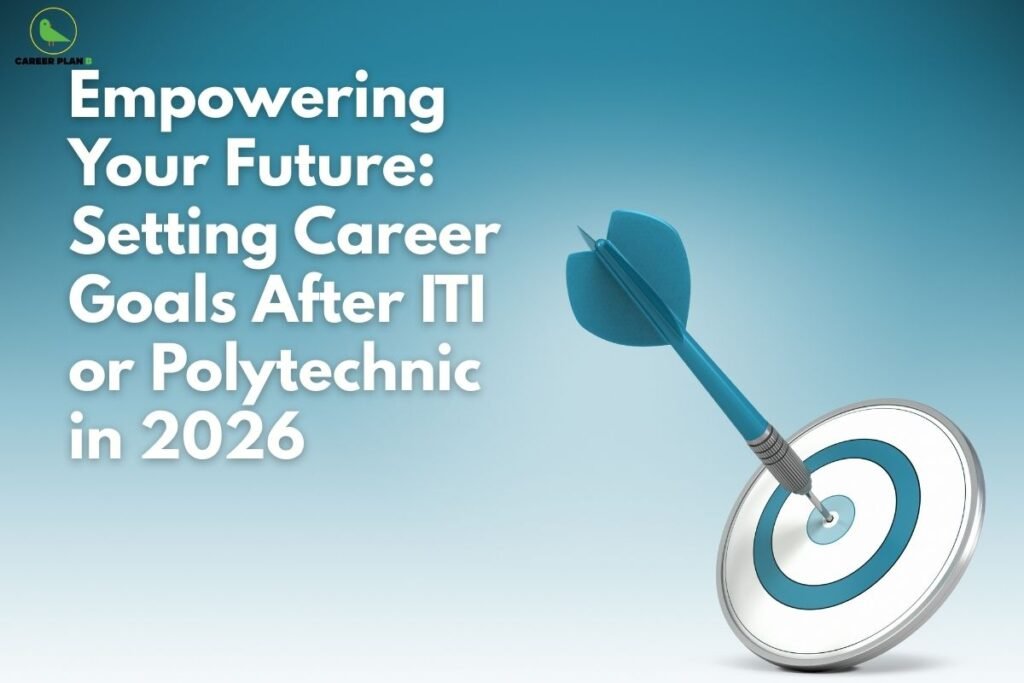
Introduction
Are you wondering what’s next after finishing ITI or Polytechnic in 2026? With India’s skills-driven economy and diverse career options, choosing the right direction can feel overwhelming—especially with so many pathways open to diploma and technical graduates. Did you know that more than 50% of India’s industrial workforce comes from vocational backgrounds? This means your skills are in high demand, but setting effective career goals is crucial for leveraging these opportunities. In this blog, let’s explore how to create a career roadmap after ITI or Polytechnic, untangle the maze of options, and turn your ambitions into real achievements. Whether you aim for government jobs, industry placements, or entrepreneurship, you’ll find actionable insights and proven strategies right here.
Mapping Career Paths: What Are Your Options After ITI & Polytechnic?
Choosing your next step after completing an ITI or Polytechnic diploma opens a world of possibilities. But how do you decide what fits your strengths and ambitions?
Pursue Further Studies for Greater Opportunities
- ITI Graduates: Consider diploma courses via lateral entry in engineering (electrical, mechanical, civil, computer science), or advanced certifications in emerging trades like AI, robotics, and automation.
- Polytechnic Graduates: Opt for direct second-year entry into B.Tech or B.E. programs. Entrance exams like LEET or JELET facilitate transitions to higher technical education, enhancing salary and job prospects.
- Explore B.Sc., BCA, or management programs (BBA) if you desire a shift to IT or business roles—these degrees offer a springboard to diverse fields and competitive exams like UPSC or SSC.
Dive Into the Job Market: Sector-Wise Roles
Technical diplomas let you hit the ground running in several industries. Typical sectors include manufacturing, construction, energy, IT, and services. Here’s what’s trending for 2026:
| Sector | ITI Roles (Sample) | Polytechnic Roles (Sample) | Avg Salary Range (INR LPA) |
| Electrical | Electrician, Technician | Electrical Engineer | 2.5 – 5 |
| Mechanical | Fitter, Machine Operator | Junior Mechanical Engineer | 3 – 6 |
| IT & Computer | Computer Operator, Network Technician | Network Admin, CAD Designer | 3 – 7 |
| Civil / Construction | Pipe Fitter, Plumber | Site Supervisor, Quantity Surveyor | 3 – 5 |
| Electronics | Electronics Mechanic | Electronics Technician | 3 – 6 |
| Government / PSU | Technician (Railways, Army) | Junior Engineer (BHEL, ONGC) | 3 – 8 |
Government and PSU Jobs: Stability Meets Growth
Public sector organizations value hands-on skills. Seek roles in:
- Indian Railways, BHEL, ONGC, NTPC, GAIL, BSNL, PWDs, municipal bodies, defence forces—most offer technician, technical officer, and junior engineer slots.
- Salary packages range from ₹3 to ₹8 lakhs per annum with perks and job security.
Industry Trends: Skill Certifications & Upskilling
Want an edge? Dive into short-term skill development courses to keep pace with industry needs. Take workshops in AutoCAD, CATIA, project management, data science, Six Sigma, or IT certifications (AWS, CCNA). This boosts employability, even for global opportunities.
How to Set Effective Career Goals: Five Proven Steps
Setting clear, actionable goals transforms your future from vague dreams to practical steps.
1. Self-Assessment: What Are Your Strengths?
Have you identified your skills and interests? Use personality tests, feedback from trainers, or reflect on favorite projects to discover your ideal domain.
2. Research Industry Trends and Opportunities
Stay updated—industries change rapidly! Track market demand for roles in AI, green energy, manufacturing, and IT, so you don’t get left behind.
3. Define Short-Term and Long-Term Objectives
Think beyond tomorrow. Set immediate steps (e.g., earning certifications, landing internships) and longer-term ambitions (e.g., leadership roles, entrepreneurship, advanced degrees).
4. Network and Seek Mentorship
Interacting with alumni, industry professionals, faculty, and platforms like “Career Plan B” helps you discover opportunities and avoid common pitfalls. Attend career fairs and join professional groups for valuable connections.
5. Regularly Revisit & Refine Your Goals
The best plans adapt! Review your goals yearly. Ask: Are your learning paths and job moves aligned with industry and personal growth?
Rhetorical Question: Wonder If You’re Ready for Entrepreneurship?
With government schemes like MUDRA loans and startup incubators, launching your own business is easier than ever for technical graduates. Have you considered fabricating workshops, electronics repair, web development, or cloud kitchen ventures? The landscape welcomes innovation and ambition!
Personal Anecdote
Take Ramesh—a 2023 ITI graduate from Pune who struggled with traditional job interviews. Instead, he perfected solar panel installations, bagged his first contract via a Career Plan B seminar, and now runs a thriving freelance setup. His journey proves that a skills-first mindset and targeted networking can unlock opportunities—even without a traditional degree.
How Career Plan B Helps
At Career Plan B, our mission is simple: Right to Quality Education and Career, hence Quality Life!
With over 16 years of expertise, we provide:
- One-on-One Counselling Support – Personalized guidance for your architectural career path
- Career Roadmaps – Strategic plans aligned with your strengths and goals
- Backup Strategies – Alternative options so you never miss opportunities
Have any doubts?
 Book your free session today and get all your questions answered!
FAQ Section
Q1: Can I pursue engineering after ITI/Polytechnic?
Yes, both ITI and Polytechnic graduates can opt for lateral entry into engineering programs (like B.Tech or BE) via designated entrance exams—many colleges reserve seats for such transitions.
Q2: What government jobs are available for diploma holders?
Options include Indian Railways, PSUs, municipal corporations, and defence services, typically as junior engineers, technicians, and technical officers—with stable salaries and career progression.
Q3: Is entrepreneurship practical after ITI or Polytechnic?
Absolutely. With government support, skill-based loans, and a strong demand for services, technical graduates can start fabrication units, repair shops, digital marketing agencies, or food businesses.
Q4: Which skill certifications should I pursue for better jobs?
Look for certifications in AutoCAD, CATIA, networking (CCNA), cloud (AWS), project management, and data science. These are highly valued by employers and can even open doors to overseas jobs.
Q5: What role does Career Plan B play in career planning?
Brands like Career Plan B offer guidance, networking, and placement support, connecting students to latest job openings, mentorship programs, and tailored workshops for career success.
Q6: How do I set realistic career goals?
Start with self-assessment, gather market intelligence, build skills, reach out for feedback, and adjust goals as needed to stay on track with changing industry trends.
Conclusion
From immediate job opportunities to advanced education and entrepreneurship, setting focused career goals after ITI or Polytechnic in 2026 is about matching aspiration with action. The coming years are rich with possibilities—and with a clear plan, proactive learning, and support from networks like Career Plan B, technical graduates can shape rewarding careers and lasting impact. Start now, revisit your goals regularly, and seize every chance to learn and connect. Ready to chart your own success story? Take the next step—explore workshops, internships, and mentorship programs this season!