Martha Divakar · February 18, 2026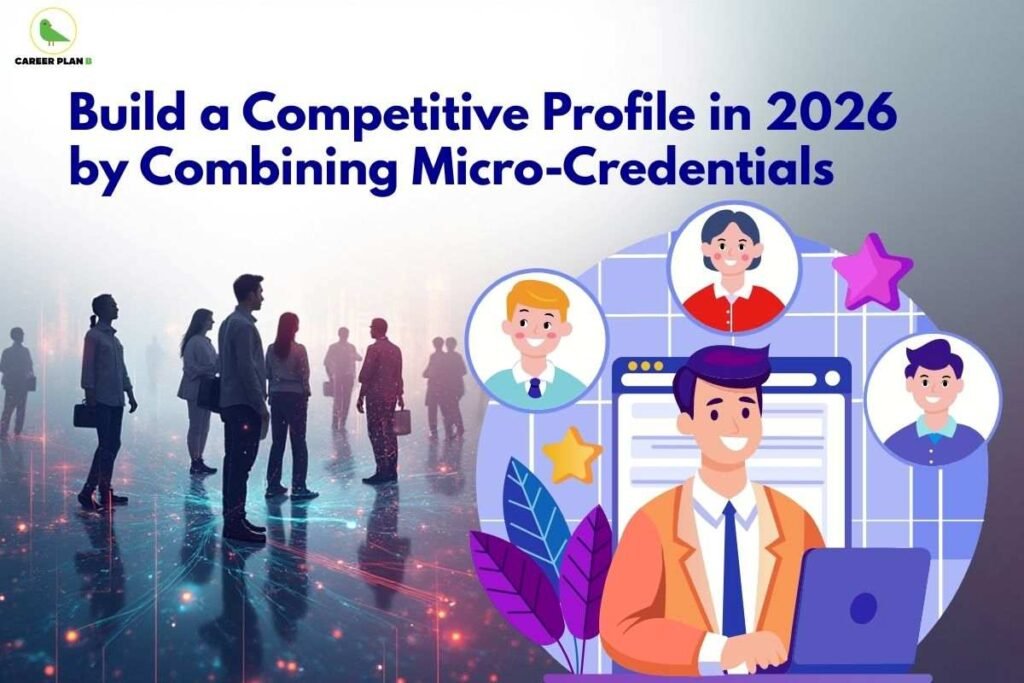
Introduction: Why Combine Micro-Credentials in 2026?
Have you ever wondered how professionals stay ahead in today’s rapidly evolving job market? One powerful secret is micro-credentials—bite-sized, focused certifications that prove specific skills. But why settle for just one when combining multiple micro-credentials can transform your profile into a competitive edge?
In this blog, we’ll explore the growing importance of micro-credentials in 2026, how combining them creates unique value, and practical tips to build a winning skillset that impresses employers and opens doors. Did you know that 87% of hiring managers prefer candidates with verifiable, specialized skills? This trend is only accelerating. Ready to craft a standout profile with micro-credentials? Let’s dive in.
What Are Micro-Credentials and Why Are They Crucial?
The Basics of Micro-Credentials
Micro-credentials are concise, focused certifications validating proficiency in a specific skill, tool, or knowledge area. Unlike traditional degrees, they’re quicker to earn, often digital, and designed for today’s fast-changing careers.
Why Are They Essential in 2026?
The modern workplace values agility and verifiable skills over lengthy academic credentials. With industries evolving constantly, micro-credentials help individuals:
- Stay current with latest technologies and trends
- Showcase specialized capabilities on platforms like LinkedIn
- Access niche job roles requiring precise skills
Real-World Example: Digital Marketing Specialist
Consider a digital marketer who combines micro-credentials in SEO, Google Analytics, and content strategy. This targeted skill stack makes them more attractive than someone with just a general marketing degree.
How Does Combining Micro-Credentials Build a Competitive Profile?
- Crafting a Unique Skill Stack
One micro-credential may open a door, but combining two or three creates a distinctive professional identity. This synergy signals versatility and depth, making you a compelling candidate.
- Addressing Industry Demands Holistically
Employers seek professionals who can solve complex problems across domains. For example, an AI specialist with credentials in data ethics and cloud computing is better equipped than a single-skill expert.
- Leveraging Cross-Disciplinary Strengths
Blending micro-credentials from different fields can unlock unique career paths. For instance, a healthcare professional with credentials in data analytics and telemedicine is highly relevant in today’s digital health era.
Strategic Steps to Combine Micro-Credentials Effectively
Step 1: Define Your Career Goals Clearly
Before enrolling in credentials, map your ideal role or industry. What skills are in demand? Use job portals and platforms like LinkedIn Skills Insights to guide your choices.
Step 2: Choose Complementary Micro-Credentials
Select credentials that build on each other. For example, combine a project management credential with a tool-specific certification like Microsoft Project or Jira to amplify value.
Step 3: Balance Depth and Breadth
Avoid scattering your learning. Build deep expertise in one domain, but supplement it strategically with broad skills for versatility.
Step 4: Prioritize Credibility and Recognition
Opt for micro-credentials from reputable providers such as Coursera, edX, or industry-recognized bodies. Credibility ensures employers recognize and trust your qualifications.
Step 5: Showcase Your Credential Portfolio Smartly
Present your combined credentials coherently on resumes and profiles. Use sections like “Skills & Certifications” and highlight how this unique mix benefits your role.
What Are the Benefits of a Combined Micro-Credential Profile?
- Increased Employability and Job Security
Profiles showcasing multiple targeted skills stand out in applicant pools, leading to higher interview calls and job offers. They’re also better insulated against automation and economic shifts.
- Faster Career Progression
Multiskilled professionals often command better roles and salaries. Combining credentials signals ambition and adaptability, traits valued for leadership.
- Continuous Learning Culture
Micro-credentials encourage lifelong learning habits, keeping you ahead in the evolving career landscape.
Addressing Common Concerns About Micro-Credentials
- Are Micro-Credentials Recognized by Employers?
Yes, when sourced from credible platforms and relevant to job roles. Many companies actively encourage employees to pursue them. - How Much Time Does It Take to Complete Multiple Credentials?
Most micro-credentials are designed for flexible schedules, often taking a few weeks each. Planning and prioritization help balance learning with work.
How Career Plan B Helps
At Career Plan B, our mission is simple: Right to Quality Education and Career, hence Quality Life!
With over 16 years of expertise, we provide:
- One-on-One Counselling Support – Personalized guidance for your architectural career path
- Career Roadmaps – Strategic plans aligned with your strengths and goals
- Backup Strategies – Alternative options so you never miss opportunities
Have any doubts?
 Book your free session today and get all your questions answered!
FAQ Section
Q1: How many micro-credentials should I combine for maximum impact?
A: Typically, 2-4 complementary micro-credentials create a strong profile; more than that may dilute focus.
Q2: Can micro-credentials replace traditional degrees?
A: They complement degrees by highlighting specialized skills but may not fully replace the broader foundation degrees offer.
Q3: How do I keep my micro-credentials updated?
A: Regularly pursue refresher courses or advanced credentials in your fields as industries evolve.
Q4: Are free micro-credentials worthwhile?
A: Free credentials can be valuable for exploring topics, but investing in reputable certifications often yields better employer recognition.
Q5: Can micro-credentials help in switching careers?
A: Yes, they provide targeted skills that facilitate smooth transitions into new industries or roles.
Conclusion: Start Combining Micro-Credentials Today for a Strong 2026 Profile
Micro-credentials are more than just certifications—they’re strategic tools to build a competitive, future-proof career profile. By combining the right credentials aligned with clear career goals, professionals can unlock new opportunities, demonstrate versatility, and stay ahead in 2026’s dynamic job market.
Ready to start? Explore your options, map your skill stack, and showcase your combined credentials with confidence. At Career Plan B, we’re here to guide you through this journey of skill-building and career transformation. Take the first step today—your competitive profile awaits!
For expert career guidance, contact career plan b.