Martha Divakar · February 17, 2026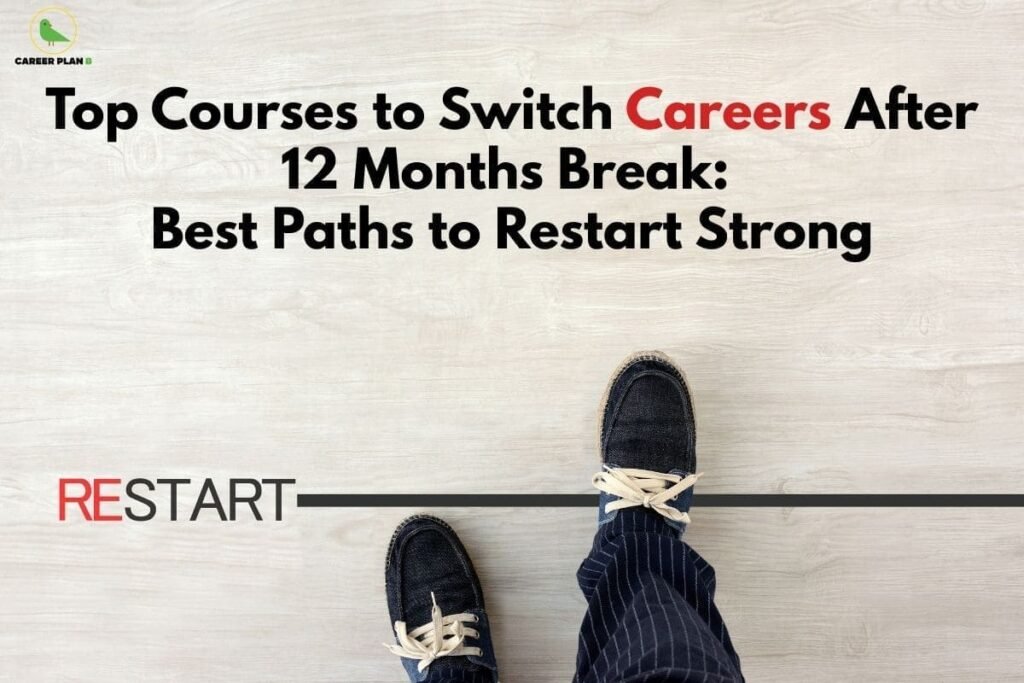
Introduction: Restarting Your Career Journey After a Break
Have you taken a 12-month career break and are now wondering how to get back on track? Taking a year off for personal reasons, further studies, or unforeseen circumstances is common, but re-entering the workforce can feel daunting. What’s the best way to switch careers after this gap? How do you ensure your skills are relevant and competitive?
Statistics show nearly 40% of professionals take career breaks at some point but face challenges returning without targeted skills . The good news? The right course can help bridge this gap, enabling a smooth career switch with confidence.
In this blog, we’ll explore the top courses ideal for those restarting after a year-long break, focusing on practical, in-demand skills aligned with today’s job market. Whether your interests lie in technology, business, or creative fields, you’ll find actionable advice to kickstart your career switch on the right note.
Why Take a Course After a Career Break?
Why should you consider formal courses rather than diving straight into job applications? Here are some compelling reasons:
- Reskill and Upskill: Update or gain skills relevant to your new career goal.
- Boost Confidence: Structured learning rebuilds professional confidence.
- Industry Relevance: Courses targeted to growing sectors improve employability.
- Network Opportunities: Connect with like-minded peers and mentors.
Are you ready to discover which specific courses can transform a potential career setback into an opportunity for career growth and satisfaction?
Top Courses to Switch Careers After 12 Months Break
1. Digital Marketing
Why it’s a great choice: Digital marketing is booming worldwide, offering dynamic roles like SEO specialist, content marketing manager, and social media strategist.
What you’ll learn: SEO, Google Analytics, Ad campaigns, email marketing, content creation, and brand strategy.
Who it’s for: Break-takers with creativity and a knack for online trends.
Practical example: Priya, who took a year off for family, completed a digital marketing certification and landed a role managing social media campaigns for a startup within six months.
2. Data Science and Analytics
Why it’s a great choice: Data-driven decision-making is transforming industries, creating demand for data scientists and analysts.
What you’ll learn: Statistics, Python or R programming, data visualization, machine learning basics.
Who it’s for: Those with analytical thinking eager to dive into tech-based roles.
Case study: Arun, after a break to explore personal interests, upskilled with a data analytics bootcamp, securing a role at an e-commerce firm.
3. Project Management
Why it’s a great choice: Almost every industry needs project managers to keep teams and goals on track.
What you’ll learn: Agile, Scrum, risk management, budgeting, stakeholder communication.
Who it’s for: Organized individuals who enjoy leadership and problem-solving.
Example: Meera transitioned from hospitality to IT project management after a PMP certification post-break.
4. Graphic Design and UX/UI
Why it’s a great choice: Visual communication is critical for brands and platforms, fueling demand for designers.
What you’ll learn: Adobe tools, prototyping, user research, layout design, branding.
Who it’s for: Creatives seeking hands-on digital roles.
Story: Rohan overcame a break by completing a UX/UI course, landing a design role in a fintech startup.
5. Financial Planning and Analysis
Why it’s a great choice: Every business needs financial guidance, and certified financial planners are in demand.
What you’ll learn: Investment planning, risk analysis, tax strategies, financial modeling.
Who it’s for: Detail-oriented individuals with a passion for numbers.
Insight: Suman shifted from teaching to finance after a Certified Financial Planner course during her break.
How to Choose the Right Course for Your Career Switch?
Choosing the right course after a career break is crucial. Consider the following factors:
- Interest and Strengths: Align courses with natural inclinations and skills.
- Industry Demand: Research sectors hiring aggressively.
- Course Duration: Choose courses that fit your timeline and learning pace.
- Certification Value: Opt for recognized certification with career support.
- Practical Exposure: Prefer courses offering projects, internships, or real-world experience.
What Employers Are Looking For After a Career Break?
Rhetorical question: Are employers open to hiring candidates with a career gap?
Yes, but they value:
- Transparent explanation of the break period.
- Evidence of skill refreshment or upskilling.
- Confidence and clarity in career goals.
- Demonstrated adaptability and readiness.
Completing a relevant course signals commitment and capability, often making the difference between getting hired or overlooked.
Tips to Maximize Learning and Job Readiness Post-Course
- Build a portfolio if applicable (e.g., design, marketing campaigns).
- Engage in freelance or volunteer projects to rebuild experience.
- Network actively on LinkedIn and industry events.
- Prepare for interviews with focused mock sessions.
- Stay updated by subscribing to industry news and blogs
How Career Plan B Helps
At Career Plan B, our mission is simple: Right to Quality Education and Career, hence Quality Life!
With over 16 years of expertise, we provide:
- One-on-One Counselling Support – Personalized guidance for your architectural career path
- Career Roadmaps – Strategic plans aligned with your strengths and goals
- Backup Strategies – Alternative options so you never miss opportunities
Have any doubts?
 Book your free session today and get all your questions answered!
Frequently Asked Questions (FAQs)
Q1. Can I switch careers after a 12-month break without a degree?
Yes, many short-term certification and diploma courses provide practical skills for career change without requiring a formal degree .
Q2. How much do career-switching courses cost?
Costs vary from free online courses to ₹50,000 or more for specialized certifications. Choose based on budget and course outcomes.
Q3. Are online courses as effective as classroom learning?
Online courses offer flexibility and are equally effective when managed with discipline and engagement.
Q4. How long does it take to switch careers with a course?
Depending on the course, career switching can take from 3 months to a year, including job search time.
Q5. What if I want to switch to a field unrelated to my previous work?
Focus on foundational courses that teach transferable skills and seek internships or projects in your target field post-course.
Conclusion: Take Charge and Relaunch Your Career
Switching careers after a 12-month break can be a liberating, empowering step if approached smartly. The courses mentioned here offer structured pathways to gain modern skills, boost confidence, and signal readiness to employers. Remember, every successful career reinvention begins with a single step — why not take that step today?
Explore the option that excites you most and align with your strengths and industry trends. And if you want a trusted partner in this journey, Career Plan B is here to help with expert guidance and curated course recommendations tailored just for you.
Ready to transform your career aspirations into reality? Start now, and make the next chapter your best one.