Likhith · December 10, 2025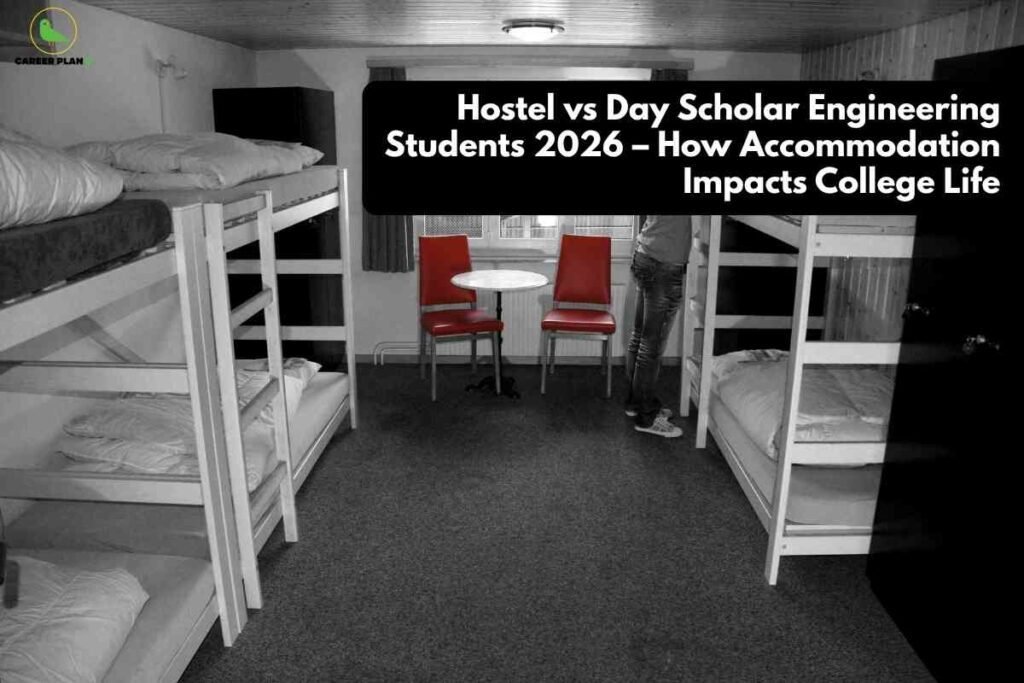
Introduction
Choosing between hostel accommodation and day scholar living is one of the biggest decisions for engineering students in 2026. Beyond convenience, the choice impacts academic performance, social interactions, independence, and lifestyle habits.
This blog explores the differences, advantages, challenges, and overall impact of both accommodation options, helping students and parents make informed decisions.
Hostel Life for Engineering Students
Advantages of Hostel Life
- Proximity to Campus:
- Hostels are usually within or near college premises, reducing commuting time.
- Extra time can be spent on studying, projects, or extracurriculars.
- Independence & Self-Discipline:
- Students learn time management, self-reliance, and personal responsibility.
- Managing daily chores builds life skills useful beyond college.
- Peer Learning & Networking:
- Living with peers allows group studies, brainstorming sessions, and knowledge sharing.
- Social interactions improve communication and teamwork skills.
- Access to Facilities:
- Hostels provide libraries, study rooms, sports facilities, and mess food.
- Students can focus on academic and extracurricular development.
Challenges of Hostel Life
- Homesickness: Some students may feel isolated from family.
- Mess Food & Health: Maintaining a balanced diet can be tricky.
- Noise & Distractions: Hostels can be noisy, affecting concentration and sleep.
- Limited Privacy: Sharing rooms may reduce personal space.
Day Scholar Life for Engineering Students
Advantages of Being a Day Scholar
- Comfort of Home:
- Students can enjoy family support, home-cooked meals, and personal comfort.
- Less stress from adjusting to hostel life.
- Cost-Effective:
- Saves on hostel fees, mess charges, and daily expenses.
- Flexible Lifestyle:
- Easier to manage personal schedule, hobbies, and family commitments.
- Students can focus on academics without hostel distractions.
Challenges of Day Scholar Life
- Commute & Travel Fatigue: Daily travel may reduce study and extracurricular time.
- Limited Social Interaction: Fewer chances for peer learning and networking.
- Less Independence: Students may rely on family for daily tasks and support.
- Time Management Pressure: Balancing travel, studies, and personal life can be challenging.
Impact on Academic Performance
| Factor | Hostel Students | Day Scholars |
|---|---|---|
| Study Time | More time for group studies and library access | May spend extra time commuting, reducing study hours |
| Focus & Discipline | Structured routine fosters discipline | Home distractions may reduce focus |
| Peer Support | Immediate access to study groups | Limited peer interaction |
| Exam Preparation | Easier to revise on campus | Requires extra planning and self-motivation |
Impact on Extracurricular Activities
- Hostel Students: Higher participation in clubs, sports, and cultural activities due to campus proximity.
- Day Scholars: Participation may be limited by commuting time, but focused involvement is possible with good time management.
Personal Growth & Life Skills
- Hostel Life: Builds independence, adaptability, and problem-solving skills.
- Day Scholar Life: Strengthens family bonding, stress management, and personal routine discipline.
Both options contribute to personal growth differently; the choice depends on student personality, priorities, and lifestyle preferences.
Tips for Students to Make the Right Choice
- Evaluate Commute Distance: Long daily travel favors hostel stay.
- Assess Personal Independence: Introverted or self-disciplined students may thrive in hostels.
- Check College Facilities: Hostels with good infrastructure can enhance learning and comfort.
- Consider Family Support: Day scholars benefit from strong family backing and home environment.
- Budget Planning: Hostel life can be more expensive; factor in fees, mess charges, and miscellaneous expenses.
Career Plan B – Your Backup for Success
At Career Plan B, our mission is simple: Right to Quality Education and Career, hence Quality Life!
With over 16 years of expertise, we provide:
- One-on-One Counselling Support – Personalized guidance for your architectural career path
- Career Roadmaps – Strategic plans aligned with your strengths and goals
- Backup Strategies – Alternative options so you never miss opportunities
Book your free counselling session today.
FAQs
Q1. Does hostel life improve academic performance for engineering students?
Yes, proximity to campus, peer learning, and structured routines often help hostel students perform better academically.
Q2. Is day scholar life cheaper than hostel life?
Generally, yes. Day scholars save on hostel fees, mess charges, and other on-campus expenses.
Q3. Which is better for extracurricular activities?
Hostel students have more opportunities due to on-campus presence, but day scholars can participate with proper time management.
Q4. Can a day scholar maintain a disciplined routine?
Yes, with proper planning and self-motivation, day scholars can balance studies and extracurriculars effectively.
Q5. Does hostel life affect personal growth?
Absolutely. Hostel students develop independence, adaptability, and problem-solving skills that benefit them beyond college.
Conclusion
Both hostel and day scholar options have unique advantages and challenges for engineering students in 2026. Hostel life fosters independence, peer learning, and campus engagement, while day scholar life offers comfort, cost-effectiveness, and family support.
Ultimately, the right choice depends on the student’s personality, academic goals, social preferences, and lifestyle needs. Balancing academics, extracurriculars, and personal well-being is key to a successful engineering journey, regardless of accommodation type.
For expert career guidance, contact career plan b.