Likhith · December 10, 2025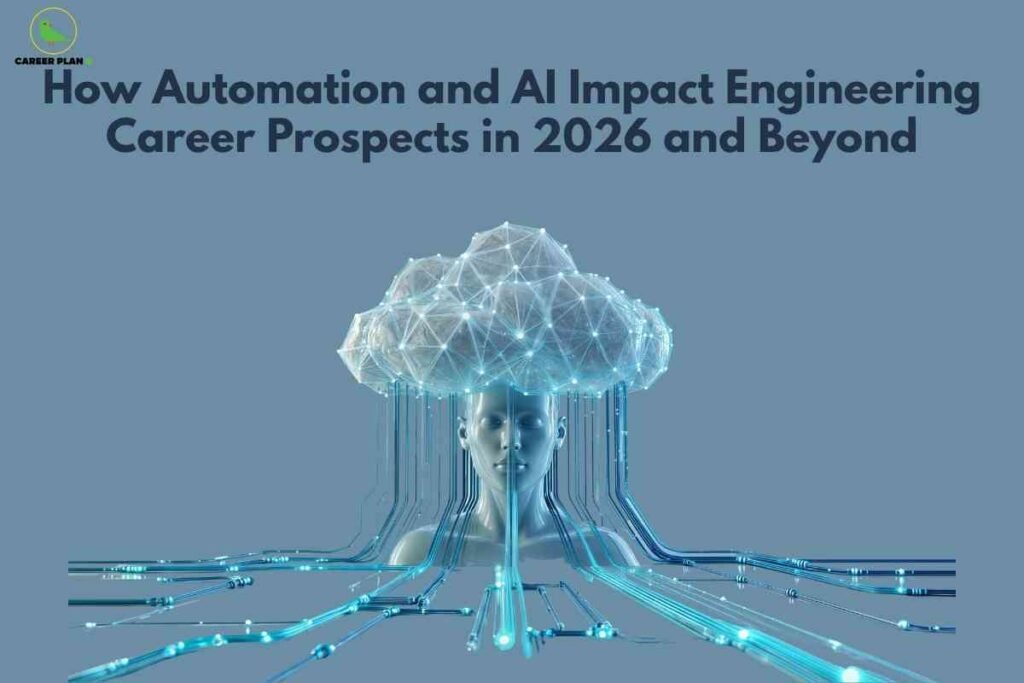
Introduction
The fast-paced advancements in automation and artificial intelligence (AI) are revolutionizing the engineering landscape. While these technologies automate routine tasks, they also create new roles and opportunities that leverage uniquely human skills. Engineers must adapt to this changing environment to thrive and lead innovation.
This blog offers a detailed view of how automation and AI impact engineering careers, alongside practical guidance and resources to stay future-ready.
How Automation and AI Are Reshaping Engineering Jobs
Job Roles Are Evolving, Not Disappearing
AI handles repetitive processes like data collection, simulation, and initial design drafts, allowing engineers to direct their creativity and judgment toward complex challenges and system integration. Real-world example: In aerospace engineering, AI models assist in optimizing aircraft design parameters, yet human engineers oversee the final design decisions and safety protocols.
Surge in Demand for AI-Integrated Engineering Skills
Specialized skills in machine learning, robotics, and big data analytics are increasingly valued. Fields such as autonomous vehicles, smart grids, and drone technology require engineers comfortable with both traditional domains and AI tools. Example: Tesla’s engineering teams combine AI expertise with automotive engineering to design self-driving systems.
Greater Productivity and Innovation through AI Tools
Generative design software powered by AI allows engineers to evaluate thousands of design options quickly, leading to novel and efficient product designs. Predictive maintenance algorithms reduce downtime by forecasting equipment failures early, widely used in manufacturing and energy sectors.
Lifelong Learning and Skill Diversification
Commitment to continuous education is crucial. Engineers are encouraged to pursue certifications in AI and data science from platforms like Coursera, edX, and LinkedIn Learning. Recommended courses:
- “Machine Learning” by Andrew Ng (Coursera)
- “AI For Everyone” (Coursera)
- “Robotics Specialization” (University of Pennsylvania, Coursera)
- “Data Science and Machine Learning Bootcamp” (Udemy)
How Career Plan B Supports Every Step
- Personalized Counseling: In-depth one-on-one counseling to align specialization, college choices, and career goals.
- Timeline & Reminder Service: Never miss a deadline—receive timely reminders and updates about institute-wise counseling calendars.
- Document Checklist & Verification: Guidance to prepare all required documentation, reducing stress on D-day.
- Preference Analysis: Analysis of seat trends, cut-offs, and college quality to build a winning choice list.
- Mock Counseling & Strategy: Practice sessions to simulate real counseling—boosting your confidence, reducing errors.
- Support for Appeals/Technical Issues: Help in resolving portal issues, appeals, or queries with admission authorities.
Have any doubts?
📞 Contact our expert counsellor today and get all your questions answered!
FAQs
- Which engineering roles are most affected by AI and automation?
Roles involving repetitive tasks like drafting and routine calculations are most impacted, but creative, supervisory, and ethics-related roles grow. - What skills should engineers focus on to stay relevant?
AI/ML fundamentals, robotics, data analytics, programming, and soft skills like critical thinking and ethical judgment. - Are online courses effective for learning AI-related skills?
Yes, many accredited platforms offer practical and industry-relevant AI and robotics courses. - How can I transition into AI-focused roles?
Start by building foundational knowledge, apply skills on projects, network in tech communities, and seek internships or roles in AI-enabled fields.
Conclusion
Automation and AI are reshaping engineering careers into more innovative, interdisciplinary, and future-ready roles. Embracing new technologies, continuously upgrading skills, and focusing on uniquely human attributes will empower engineers to thrive in 2026 and beyond.
For expert career guidance, contact career plan b