Likhith · November 28, 2025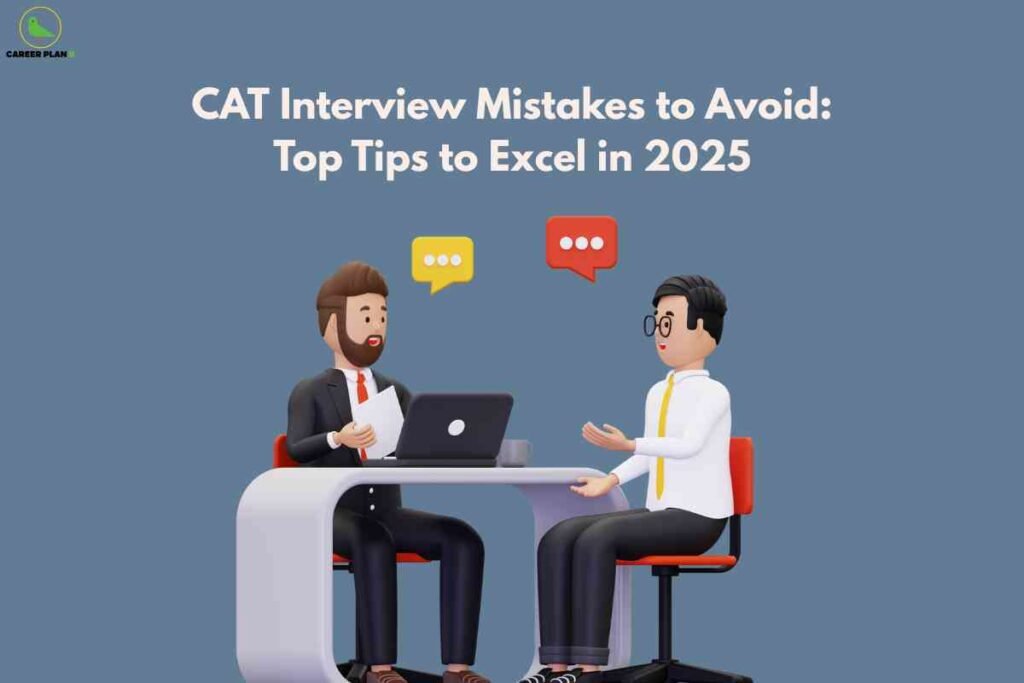
Introduction
Clearing the Common Admission Test (CAT) opens a world of MBA opportunities, but the journey is not complete without nailing the personal interview (PI) round. The CAT interview is where your personality, communication skills, and clarity of thought come under close scrutiny. However, many aspirants falter despite excellent CAT scores because of avoidable mistakes during interviews.
Are you worried about making such errors? This blog highlights the most common CAT interview mistakes to avoid and shares effective strategies to help you present your best self in 2025. Let’s explore how you can convert that hard-earned CAT score into a coveted MBA seat.
Why the CAT Interview Matters
Unlike the written exam that tests your aptitude and reasoning skills, the CAT interview reveals who you are as a person—a potential future leader and manager. Colleges evaluate your:
- Communication skills
- Self-awareness
- Ethical judgment
- Problem-solving ability
- Cultural fit
A single mistake in the interview can overshadow your CAT score and limit your admission chances. Awareness is key to preventing these pitfalls.
Common CAT Interview Mistakes to Avoid
1. Lack of Preparation
Many candidates underestimate the interview round by neglecting proper preparation. This includes:
- Failing to research the college’s values, culture, and program specifics.
- Not rehearsing responses to commonly asked questions such as “Tell me about yourself” or “Why MBA?”
Example: An aspirant who was unaware of the college’s core values failed to connect with the panel, losing critical points.
2. Overconfidence or Underconfidence
Interviews demand a delicate balance between confidence and humility. Overconfidence can appear arrogant, whereas underconfidence signals insecurity.
Tip: Show self-assurance with polite demeanor and honest answers, avoiding either extreme.
3. Vague and Rambling Answers
Long-winded, unfocused responses dilute the impact of your answers.
Habit to avoid: Talking off-topic or repeating points unnecessarily.
4. Poor Body Language and Non-verbal Signals
Your non-verbal communication is a silent but powerful factor.
- Avoid slouching, fidgeting, or avoiding eye contact.
- Smile genuinely and maintain a relaxed posture.
These cues reflect your confidence and engagement level.
5. Ignoring the STAR Method
Structured answers using the STAR (Situation, Task, Action, Result) method make your stories clear and memorable. Lack of structure can confuse the panel.
6. Neglecting Ethical and Value-Based Questions
Panels often test your ethics and personality through hypothetical questions. Avoid dismissive or unethical answers.
Example: Justifying dishonest behavior during a “What if” question can cause red flags.
7. Over-Rehearsing or Memorizing Answers
Rehearsed answers can sound robotic and insincere, undermining authenticity.
8. Poor Current Affairs Knowledge and Self-Awareness
Lack of awareness about recent business and social developments or unawareness of your personal profile weakens your credibility.
9. Not Asking Questions
Failing to ask insightful questions can appear uninterested or unprepared.
How to Avoid These Mistakes: Practical Tips
Deep Dive into Yourself and the College
- Prepare your personal narrative including strengths, weaknesses, and career goals.
- Research your target college’s mission, programs, and recent achievements.
Practice Answers with the STAR Method
Frame responses that narrate your experiences logically. For example:
- Situation: Describe context
- Task: Explain responsibility
- Action: Discuss steps taken
- Result: Highlight outcomes
Work on Body Language and Presentation
- Practice maintaining eye contact and open posture.
- Record yourself or seek feedback from mentors.
Keep Updated on Current Affairs
- Read daily business news and understand major trends.
- Prepare to discuss how these impact your career aspirations.
Engage in Mock Interviews
- Simulate real interview conditions with friends or mentors.
- Record and analyze for areas of improvement.
Real Life Examples and Solutions
Example 1: Rambling Response Recovery
Problem: An aspirant kept talking endlessly about hobbies when asked about career choices.
Solution: A focused mock helped him prepare concise, relevant answers, improving clarity and impact.
Example 2: Overcoming Nervous Body Language
Problem: Avoided eye contact and fidgeted during interview.
Solution: Regular practice with video reviews helped improve posture and confidence.
How Career Plan B Supports Your CAT Interview Preparation
Career Plan B offers a structured path to avoid common pitfalls and shine in your CAT interview:
- Personalized Career Counselling: Harness your strengths and work on your weak points.
- Psycheintel and Assessment Tests: Enhance self-awareness and positioning.
- Mock Interview Sessions: Realistic practice with expert feedback on verbal and non-verbal skills.
- Application and Profile Guidance: Tailor your narrative to specific college requirements.
Aligning your preparation with our expert strategies maximizes your interview success.
Have any doubts?
📞 Contact our expert counsellor today and get all your questions answered!
Frequently Asked Questions (FAQ)
Q1: How many mistakes can ruin my CAT interview?
Even a single unprepared or insincere response can impact your evaluation.
Q2: Is it OK to prepare scripted answers?
Scripted answers should be used carefully and delivered naturally, not robotically.
Q3: How crucial is body language compared to content?
Equally crucial; poor body language can overshadow well-crafted answers.
Q4: Can I recover after a bad answer?
Yes, if you stay calm and focus on answering the following questions well.
Q5: When should I start mock interviews?
Ideally 2-3 weeks before your actual interview with regular practice.
Conclusion
CAT interviews are less about perfection and more about authenticity, preparation, and communication. Avoiding common mistakes like poor preparation, vague answers, and ineffective body language can significantly boost your chances.
Start early, practice diligently, and use expert resources like Career Plan B to refine your approach. Your CAT interview is the final step toward an MBA seat—nail it with confidence and clarity!