Geetansh · April 1, 2026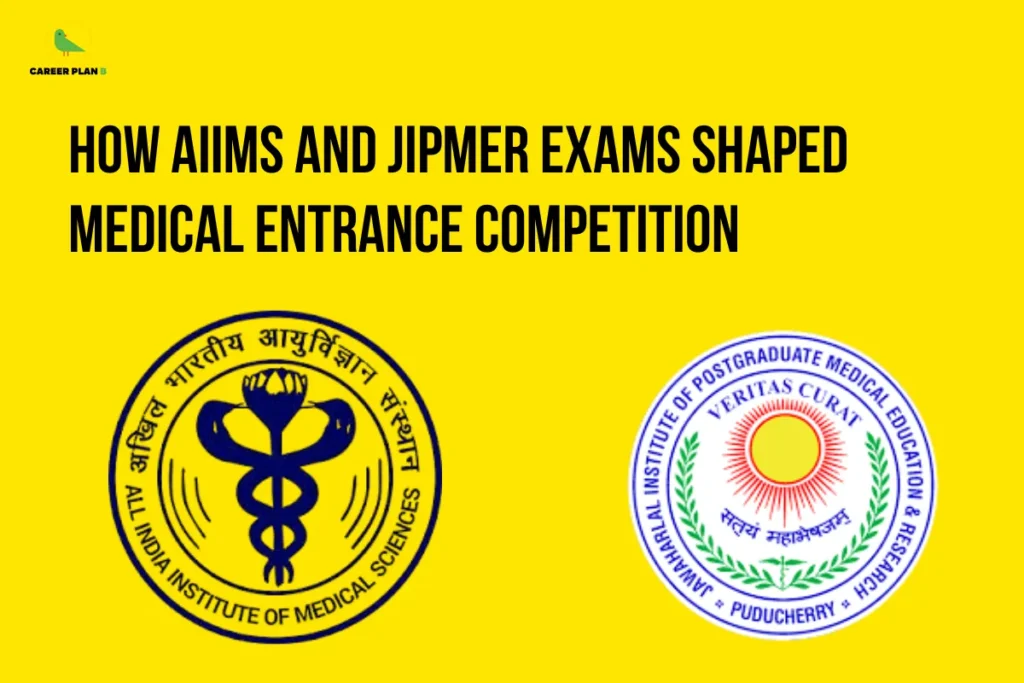
Introduction
Imagine sitting for not one but multiple high-stakes exams, each testing different skills, all for a shot at India’s dream medical seats. That was the reality for thousands of aspirants before 2020. The separate AIIMS and JIPMER exams added extra layers to the already fierce medical entrance exams competition, creating a unique landscape of pressure and opportunity. With the 2020 merger into a single NEET exam, everything changed—competition became more centralized and intense. In this post, we’ll look at the historical impact, how the shift affected difficulty and cutoffs, and what it means for today’s medical aspirants in 2026.
Over 20 lakh students appear for NEET each year, but top institutes like AIIMS Delhi and JIPMER have tiny acceptance rates—often under 0.1% for elite seats. Let’s break down how these changes reshaped the game.
The Era of Separate AIIMS and JIPMER Exams
Before the merger, most medical colleges admitted through NEET, but AIIMS and JIPMER ran their own prestigious entrance tests. These were tough in their own ways. The AIIMS exam was notorious for advanced concepts, general knowledge, and aptitude questions that went beyond standard NCERT. JIPMER focused more on logical reasoning, English, and moderate difficulty. With limited seats—around 1,000+ across all AIIMS institutes and about 200 at JIPMER—these exams attracted the cream of the crop.
Students often prepared for three exams: NEET, AIIMS, and JIPMER. This spread the talent pool. Top rankers chased the separate exams first, knowing they offered a shot at premier institutes without the full NEET crowd.
Think of it like this: Separate races let more runners grab gold medals, rather than one massive sprint where only the absolute best win. This slightly eased pressure on any single test but demanded broader preparation.
Have Any Doubts?
How Separate Exams Intensified Competition
The existence of separate AIIMS JIPMER exams created a multi-tier system. Serious aspirants couldn’t skip them—they were gateways to the best facilities, faculty, and research opportunities in top medical colleges India. This raised the bar overall. Students pushed harder, coaching centres expanded, and the perception of “elite” competition grew.
Yet, it diversified chances. If you underperformed in one exam, you had backups. The rivalry was sharp, but not all top talent funnelled into one pool.
The 2020 NEET Merger: What Changed?
Under the National Medical Commission Act, the government unified admissions. From 2020, NEET became the sole gateway—even for AIIMS and JIPMER. The goal? Reduce student burden with one exam and ensure fairness.
Pros were clear: Less exam fatigue, standardized process, and no overlapping dates. But the flip side hit hard. All top aspirants now compete in the same arena. The massive NEET pool (over 22 lakh appeared in recent years) poured into limited premium seats, spiking demand.
NEET didn’t necessarily get tougher in content, but the stakes rose dramatically. Perception shifted—securing AIIMS or JIPMER now required near-perfect scores amid lakhs of competitors.
Impact on Cutoffs and Difficulty
Pre-merger, cutoffs varied by exam difficulty. Post-merger, everything funneled through NEET, pushing NEET cutoff for AIIMS JIPMER sky-high.
For 2025:
- AIIMS Delhi often closes at ranks under 50 for General (scores around 700+ out of 720).
- JIPMER Puducherry sees General closing ranks around 250–260 (scores 705–730 range).
These are extreme—far tougher than many state colleges. The merger centralized competition, making medical admission difficulty fiercer for elite spots. Rhetorical question: When every top scorer targets the same few hundred seats, how do you stand out?
Current Reality for Medical Aspirants in 2026
Today, the unified system standardizes prep around NCERT and NEET patterns—focus on accuracy, speed, and consistency. Competition remains brutal, with acceptance rates tiny for AIIMS and JIPMER. But it levels the field somewhat—no more juggling multiple formats.
Advice for 2026: Prioritize high-yield topics, practice mocks rigorously, and track NEET vs AIIMS JIPMER trends. Aim for 680+ to stay competitive for top institutes.
How Career Plan B Helps
The path to top medical seats like AIIMS and JIPMER can feel overwhelming with such intense competition.
Career Plan B provides
- Personalized career counselling
- Psycheintel and career assessment tests
- Admission and academic profile guidance
- Detailed career roadmapping
These services help build strong applications, identify strengths, and explore solid backup options so you move forward confidently.
For Latest Information
FAQ
- Are AIIMS and JIPMER still separate exams in 2026?
No, since 2020, admissions are through NEET only. The merger eliminated separate tests.
- How has the merger affected cutoffs?
Cutoffs for AIIMS and JIPMER rose sharply as all top talent competed in one exam, pushing NEET scores higher for elite seats.
- Is NEET tougher after the merger?
The paper pattern stayed similar, but competition intensified due to a larger focused pool targeting premium institutes.
- What if I don’t get AIIMS or JIPMER?
Many excellent colleges exist via NEET. Focus on overall rank and explore options like state quotas or reputed government colleges.
- How many seats are there in AIIMS and JIPMER now?
AIIMS across institutes offer thousands (e.g., AIIMS Delhi ~125–132), JIPMER ~200—but demand far exceeds supply.
Conclusion
The separate AIIMS and JIPMER exams once diversified the medical entrance exams competition, giving multiple shots at excellence. The NEET merger centralized it, raising stakes but streamlining the process.
Today, success demands smart, focused prep amid soaring difficulty. Don’t navigate alone—assess your profile with expert guidance from Career Plan B and map your path strategically. The road to medicine is challenging, but with the right plan, every obstacle becomes a stepping stone. Start building yours today!