Martha Divakar · September 26, 2025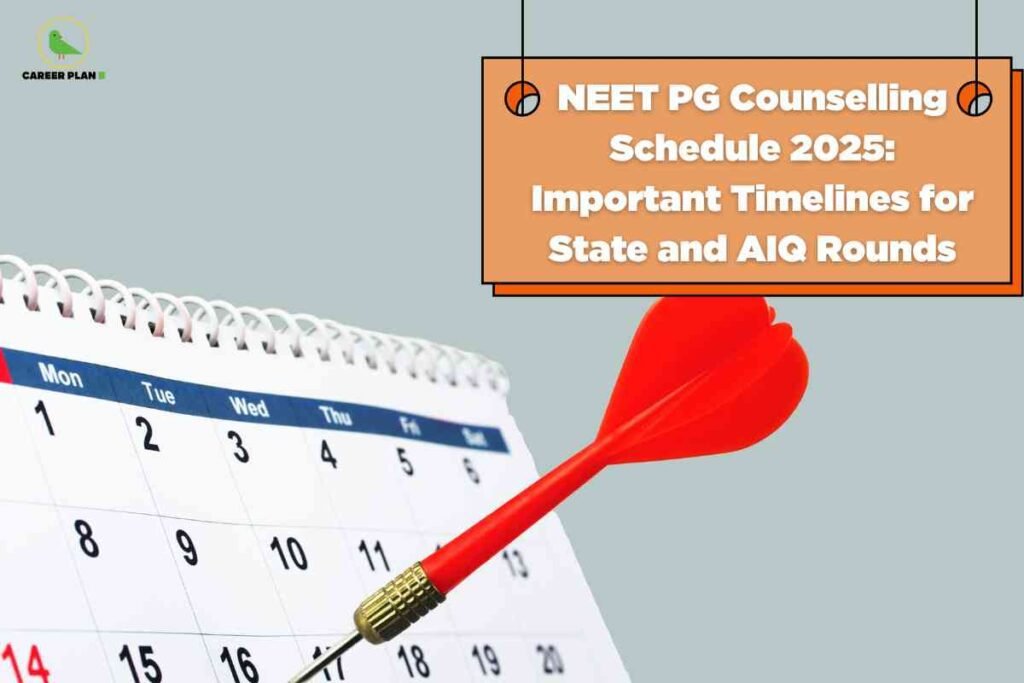
Introduction
Navigating NEET PG Counselling 2025 is a crucial step for aspiring doctors aiming to secure postgraduate medical seats. With thousands of candidates vying for limited seats, understanding the timelines, AIQ and State Quota rounds, and strategic choice filling is essential. This guide provides key insights, expert tips, and actionable strategies to help candidates make informed decisions and maximize their chances of success.
Understanding NEET PG Counselling
Key Components
NEET PG Counselling is a centralized process managed by the Medical Counselling Committee (MCC) for AIQ seats and by respective state authorities for state quota seats. The counselling process includes registration, choice filling, seat allotment, and reporting. Each step is crucial and requires meticulous attention to detail.
Current Landscape in India
In India, postgraduate medical education is highly competitive, with a limited number of seats available. For 2025, the NEET PG exam has seen an increase in the number of applicants, reflecting the growing demand for medical specialization. The AIQ constitutes 50% of total seats in government medical colleges, while the remaining are filled through state quota, private institutions, and deemed universities.
Why This Matters Now
The NEET PG Counselling 2025 is particularly significant due to the changes in seat allocation and increased competition. With the introduction of new medical colleges and increased seat capacity, candidates have more options but also face stiffer competition. Being aware of these dynamics can make the difference between securing a top choice and settling for a less preferred option.
Understanding these components helps candidates prepare effectively and align their strategies with current trends. For instance, Dr. Priya, after understanding the nuances of counselling, can prioritize her choices and ensure she meets all deadlines, thereby maximizing her chances of success.
Detailed Analysis and Strategies
Traditional Approaches
Traditionally, candidates relied heavily on manual tracking of counselling dates and processes. This approach often led to confusion and missed opportunities due to human error or lack of timely information. The conventional method involved consulting peers, seniors, and coaching centers for guidance.
Modern Methods
With the advent of digital technology, modern methods have transformed the NEET PG Counselling process. Online portals and mobile apps provide real-time updates and notifications, reducing the risk of missing critical deadlines. These platforms also offer mock counselling sessions, allowing candidates to practice and refine their choice filling strategy.
Best Practices for Success
- Early Registration: Begin the registration process as soon as it opens. Early registration reduces last-minute stress and technical issues.
- Thorough Research: Research various colleges and their cut-off ranks. Understanding previous years’ trends can help in setting realistic preferences.
- Mock Counselling: Participate in mock counselling to simulate the actual process. This helps in understanding the interface and practicing choice filling.
- Documentation: Keep all necessary documents ready and verified. Missing documents can lead to disqualification at the reporting stage.
A comparison of these strategies reveals that modern methods, coupled with traditional wisdom, offer the best outcomes. For instance, Dr. Priya utilized an online platform to stay updated and engaged in mock sessions, which significantly improved her confidence and preparedness.
Advanced Tips and Expert Insights
- Expert Advice: Engage with mentors or career counsellors who specialize in medical education. Their insights can provide valuable perspectives on choice ranking and backup plans.
- Common Misconceptions: Many candidates believe that only top-ranking students secure desired seats. However, strategic choice filling and timely actions can significantly influence outcomes, even for mid-ranked candidates.
- Success Stories: Consider the case of Dr. Anil, who, despite a modest rank, secured a seat in his preferred specialty by strategically opting for less competitive colleges in the initial rounds, eventually upgrading in subsequent rounds.
- Troubleshooting Tips: In case of technical glitches during choice filling, immediately contact the helpline provided by MCC or state authorities. Keeping multiple contact options handy ensures timely resolution.
By incorporating these advanced tips, candidates can enhance their counselling experience, much like Dr. Priya, who successfully navigated the process with expert guidance and strategic planning.
How Career Plan B Can Transform Your Journey
- Personalized Career Counselling: Tailored sessions to align your career goals with available opportunities.
- Comprehensive Psychometric Assessments: Evaluate your strengths and preferences to guide your specialization choice.
- Strategic Admission Guidance: Expert advice on choice filling and documentation.
- Customized Career Roadmapping: Develop a clear, actionable plan for your medical career.
- Industry Expert Mentorship: Access to seasoned professionals for insights and advice.
- Ongoing Support and Follow-up: Continuous guidance throughout the counselling process and beyond.
Frequently Asked Questions
1.What is the NEET PG Counselling process?
The NEET PG Counselling process involves several stages, including registration, choice filling, seat allotment, and reporting. Candidates first register on the official counselling portal, fill in their preferences for colleges and courses, and are then allotted seats based on their rank and choices. Understanding this process is crucial for ensuring that you don’t miss any steps and can secure your desired seat effectively.
2.How do I register for NEET PG Counselling?
Registration for NEET PG Counselling begins with logging into the official counselling portal with your credentials. After logging in, you must provide personal and academic details, pay the registration fee, and verify your documents. A step-by-step approach ensures that you complete each task accurately, preventing errors that could delay your registration.
3.What are the differences between AIQ and State Quota rounds?
The AIQ rounds offer 50% of the total seats in government medical colleges across India, managed by the MCC. In contrast, the State Quota rounds fill the remaining seats through respective state authorities. Each has its eligibility criteria, and understanding the differences helps candidates decide which rounds to participate in based on their domicile and preferences.
4.How can I maximize my chances of getting my preferred seat?
Maximizing your chances involves early registration, thorough research of colleges and their past cut-offs, and participating in mock counselling sessions. Additionally, having a backup plan and being flexible with your preferences increases the likelihood of securing a desirable seat.
5.What should I do if I encounter technical issues during the counselling process?
If you face technical issues, immediately contact the helpline numbers provided by the counselling authorities. Keep records of your interactions and follow up until the issue is resolved. Having a proactive approach ensures that technical glitches do not disrupt your counselling process.
6.How has the NEET PG Counselling landscape changed in recent years in India?
Recent changes include increased seat availability due to new medical colleges, digitalization of the counselling process, and more transparency in seat allotment. These changes aim to streamline the process and offer candidates more opportunities, but also require them to stay updated with the latest information.
7.How important is choice filling in the NEET PG Counselling process?
Choice filling is a critical step as it directly affects seat allotment. Carefully selecting and prioritizing your choices based on realistic expectations, previous year trends, and personal preferences can significantly impact your chances of securing a preferred seat.
8.What future trends should candidates watch for in NEET PG Counselling?
Candidates should look out for trends such as increasing digital integration, potential policy changes affecting seat distribution, and the growing importance of soft skills and interdisciplinary knowledge in medical education. Staying informed about these trends can help candidates adapt and strategize effectively.
Conclusion
Successfully navigating NEET PG Counselling 2025 requires careful planning, timely registration, and strategic decision-making. By combining thorough research, mock counselling, and expert guidance, candidates can optimize their chances of securing a preferred seat. Services like Career Plan B offer personalized support to ensure a smooth and confident journey toward achieving postgraduate medical education goals.